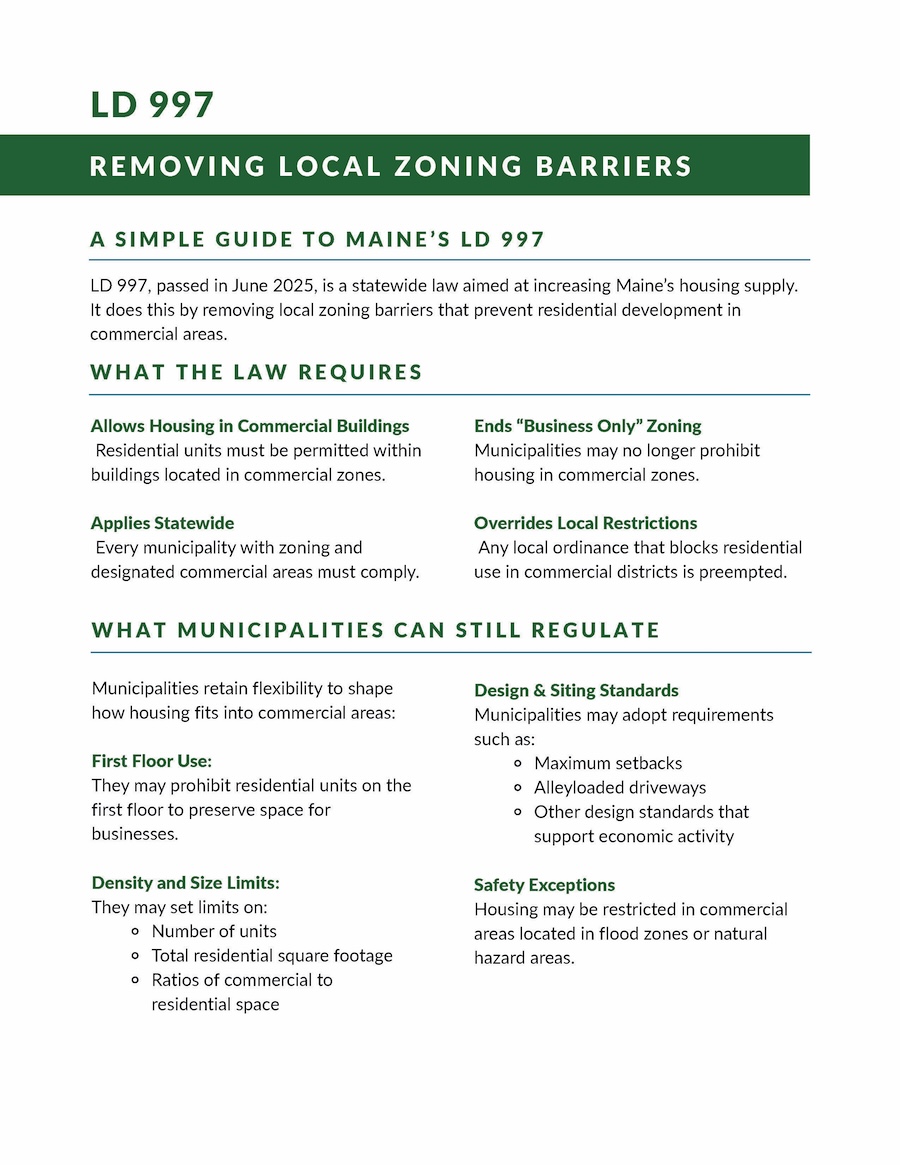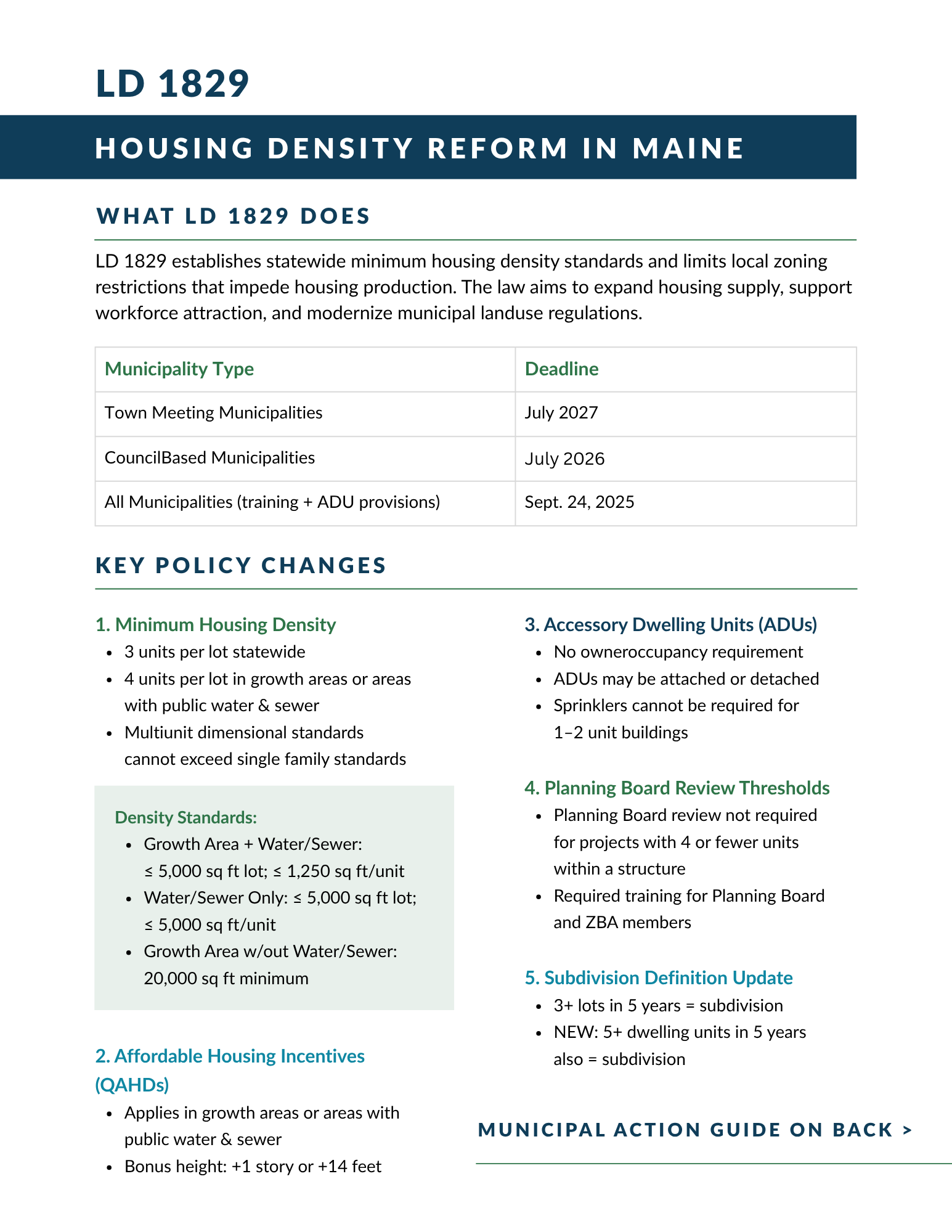
Housing
Washington County Blueprint for Growth: Building Better, Together
The Municipal & Developer Partnership Playbook
This playbook is meant to help Washington County’s municipalities and local builders move housing projects from idea to reality. Because most municipalities have limited staff and most developers are small, the only way to make progress is through coordination. Successful projects require shared information, predictable steps, and clear expectations on both sides.
TOOLS TO UNDERSTAND THE CRISIS
Housing Affordability Snapshots
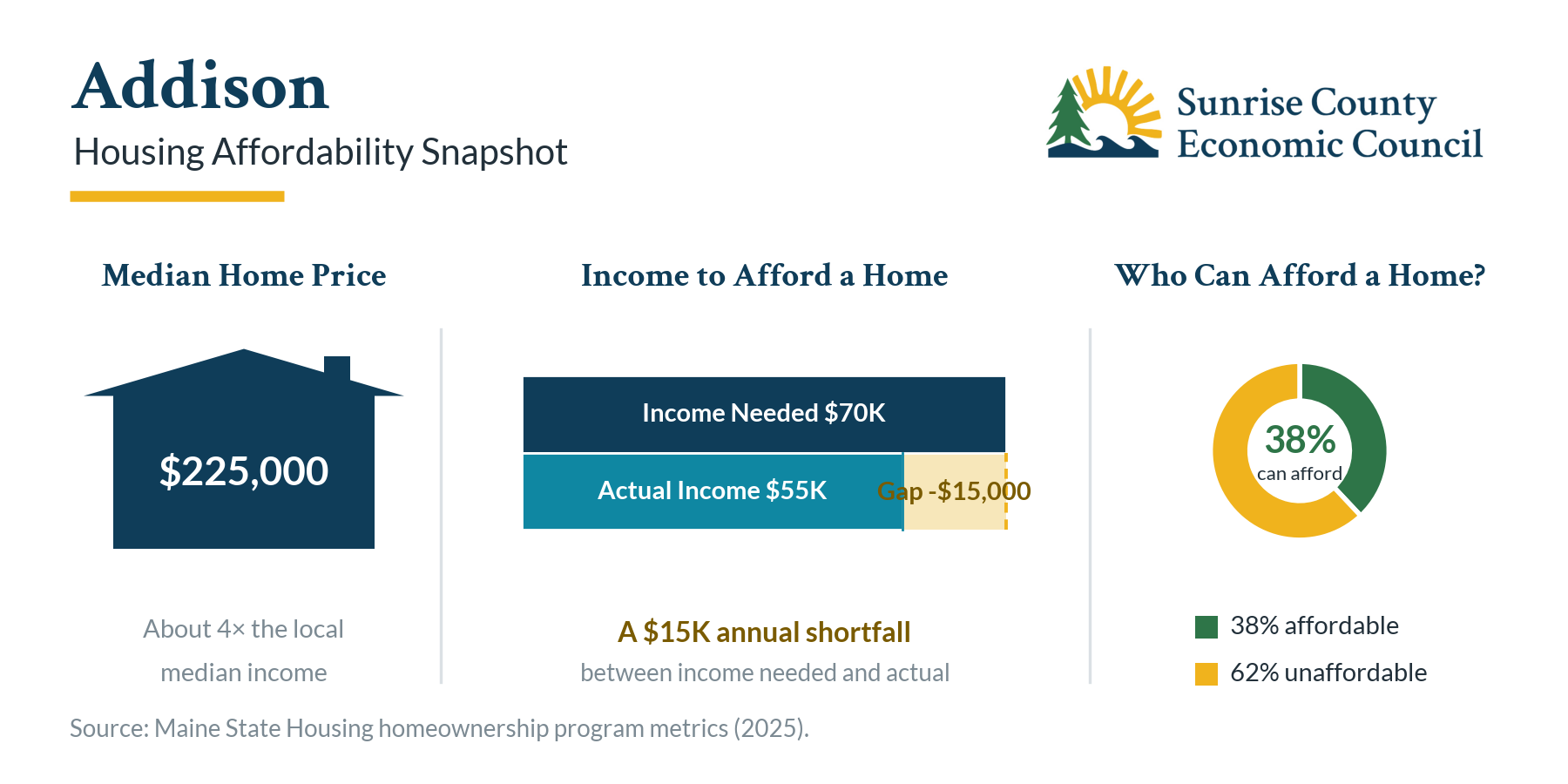
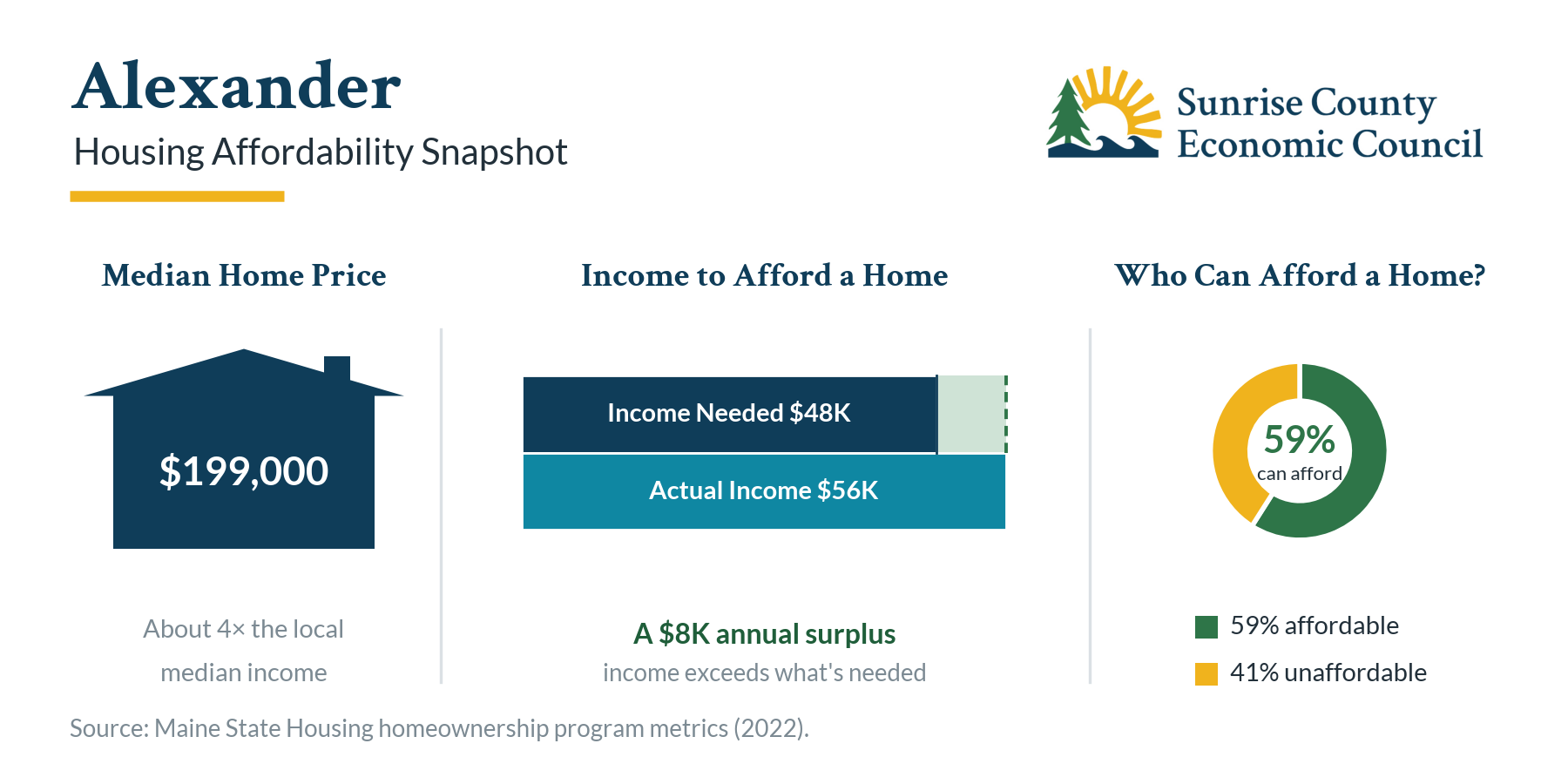
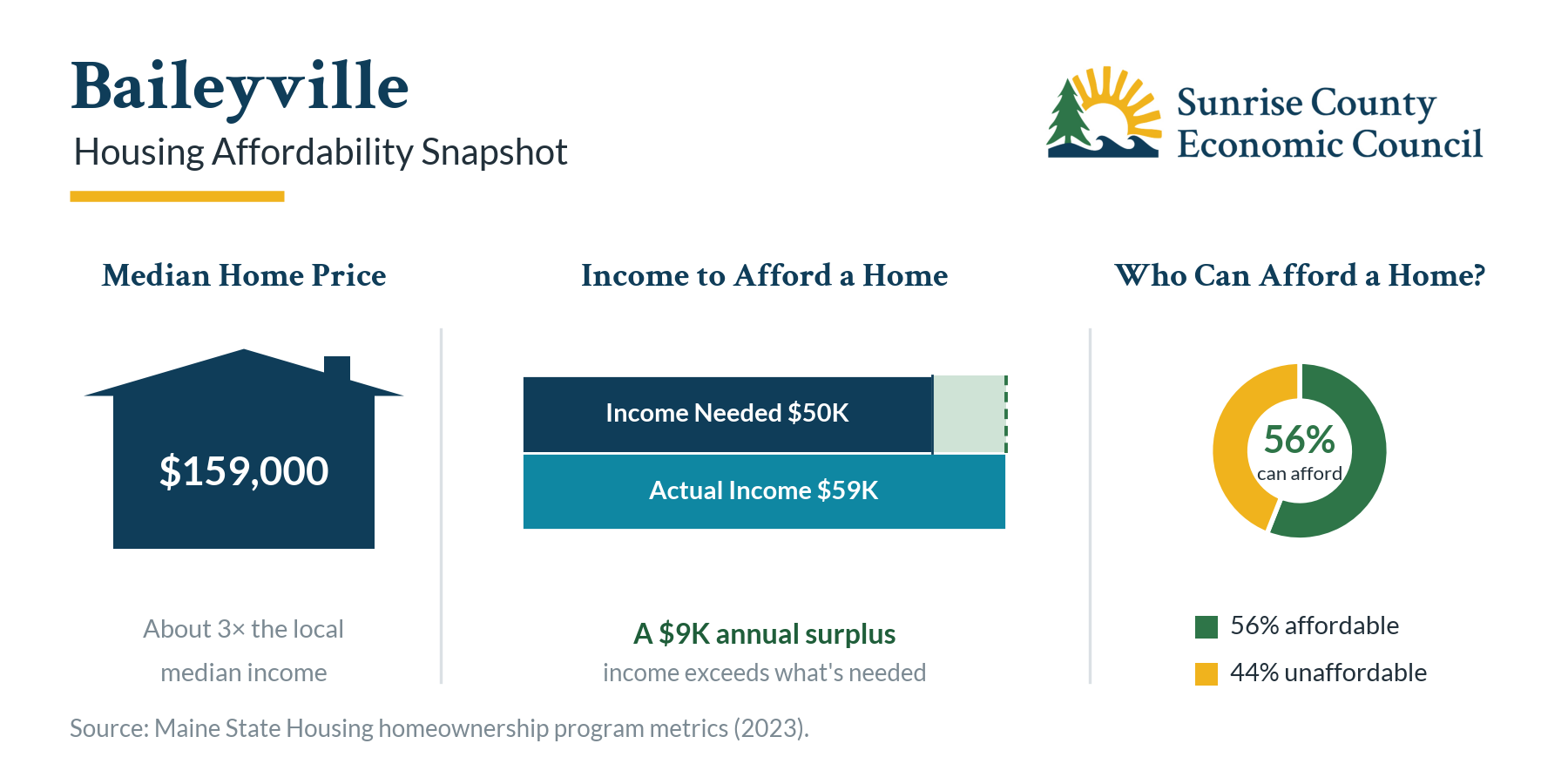
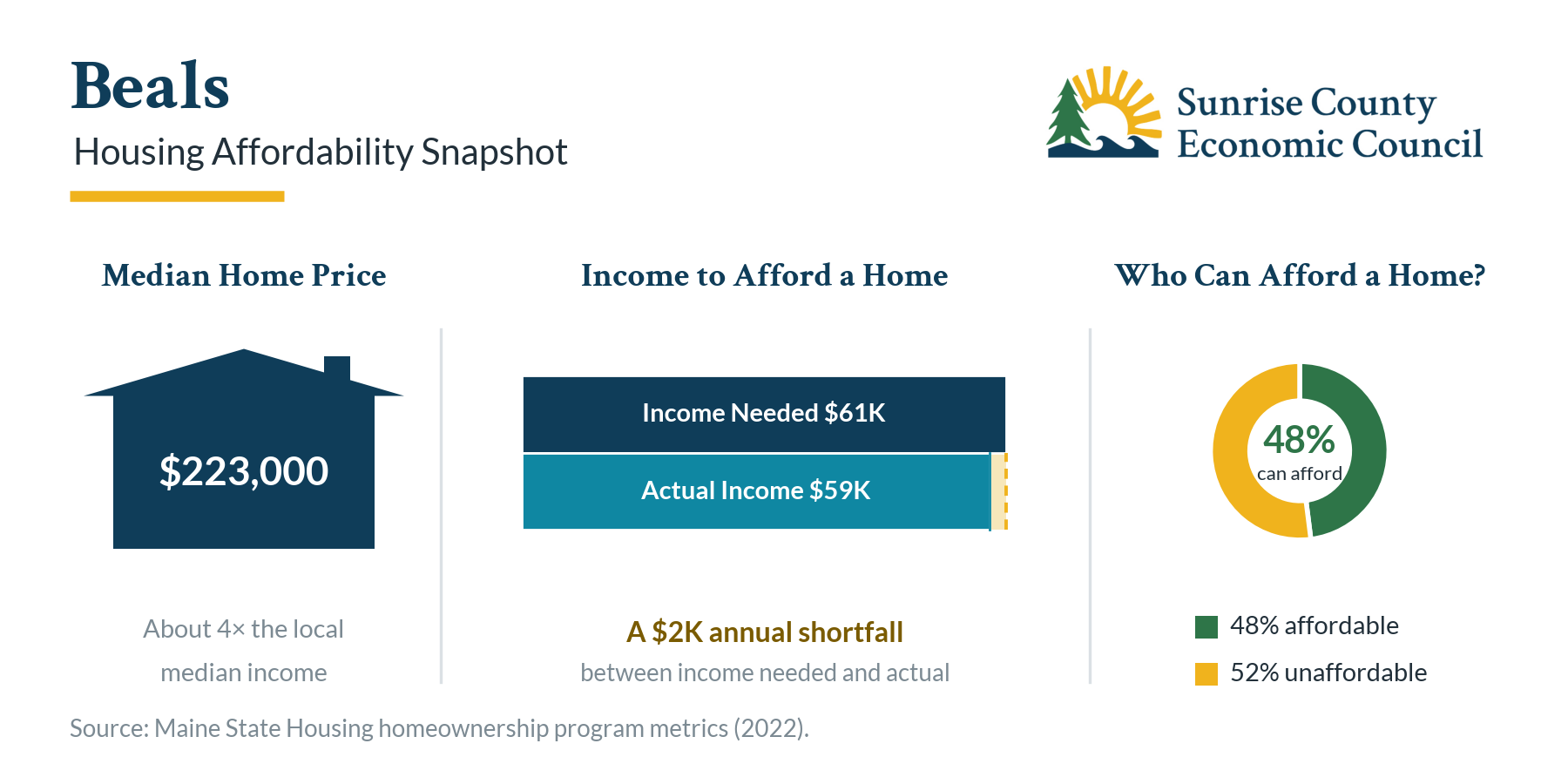
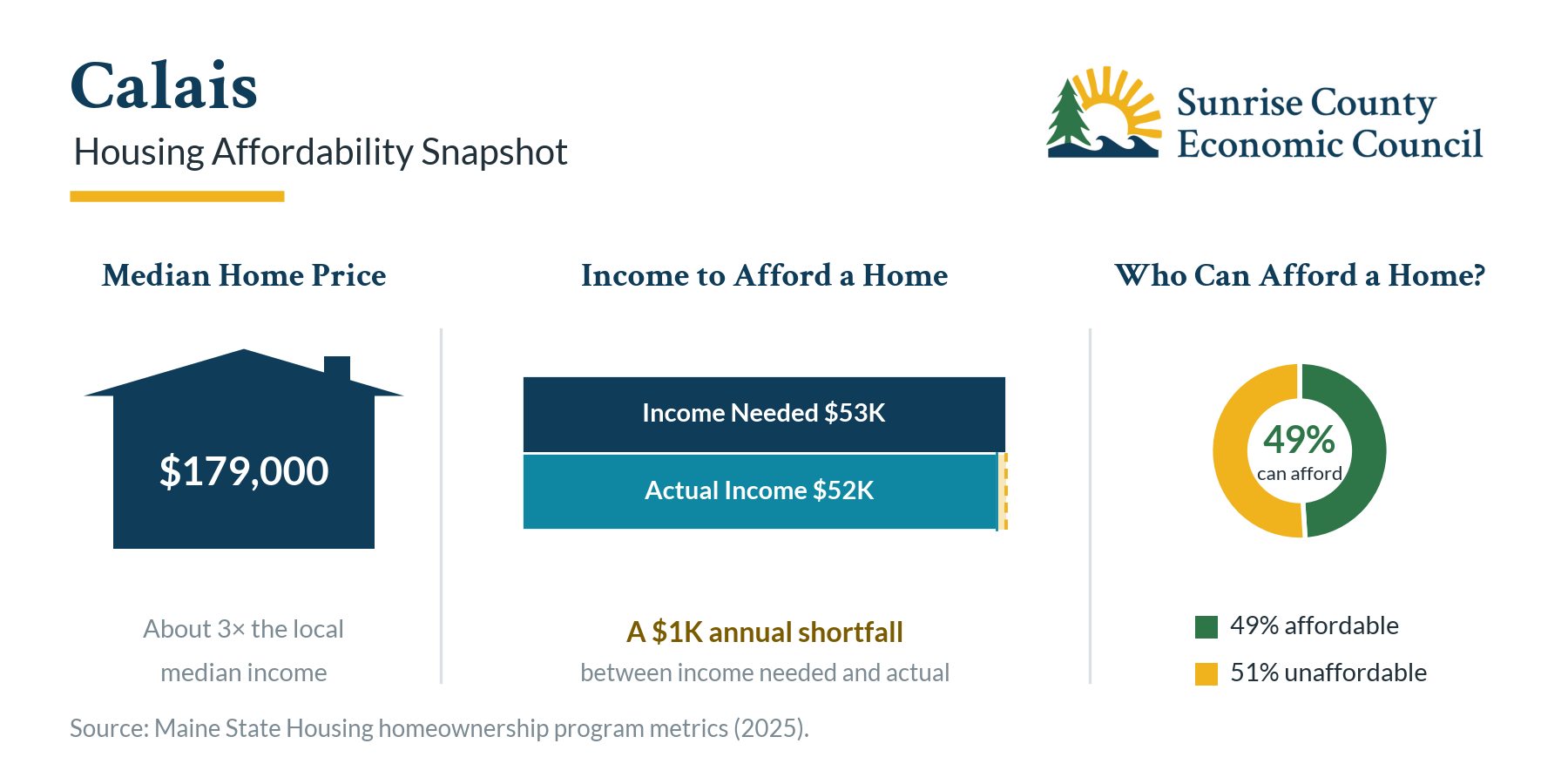
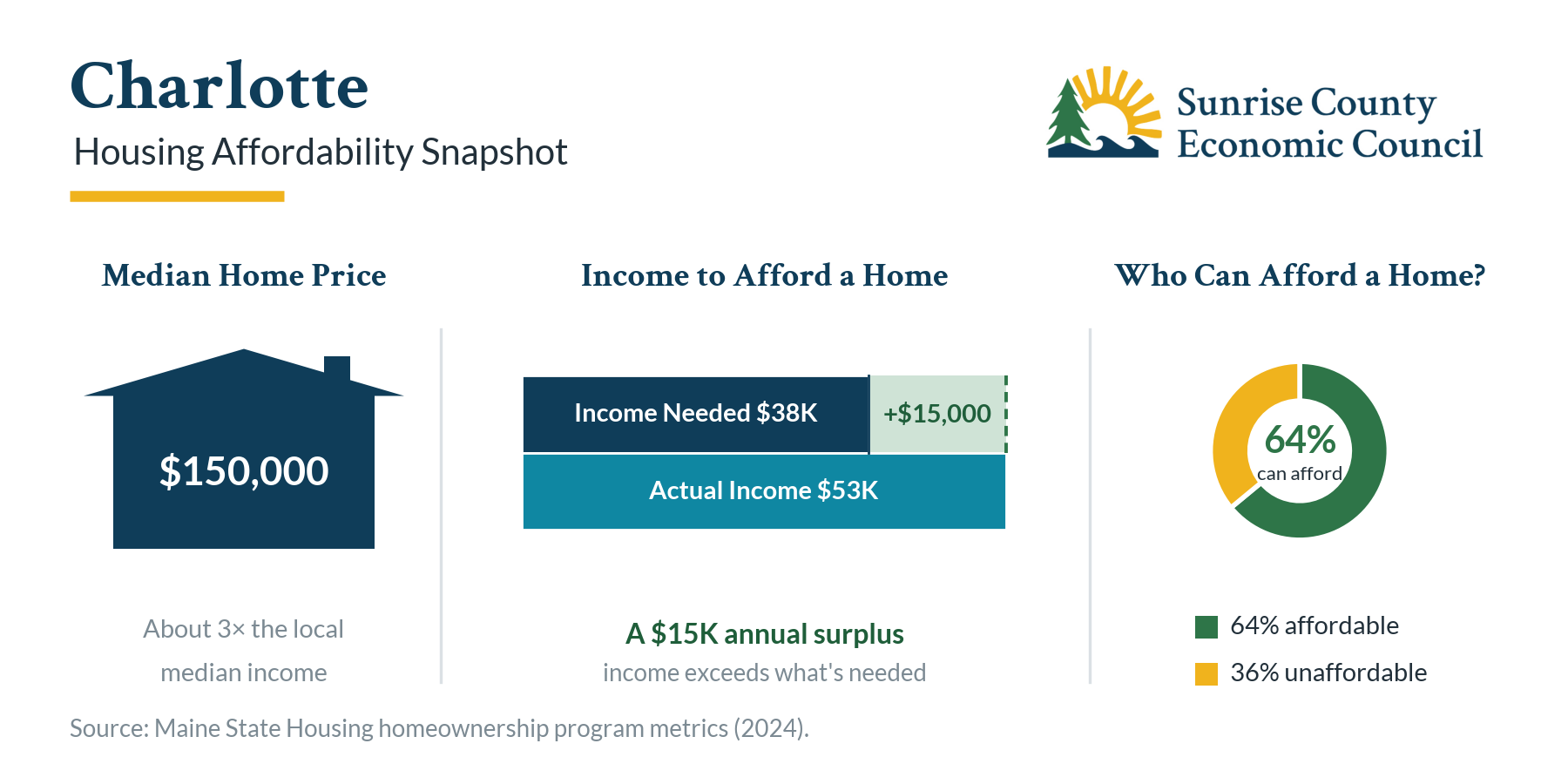
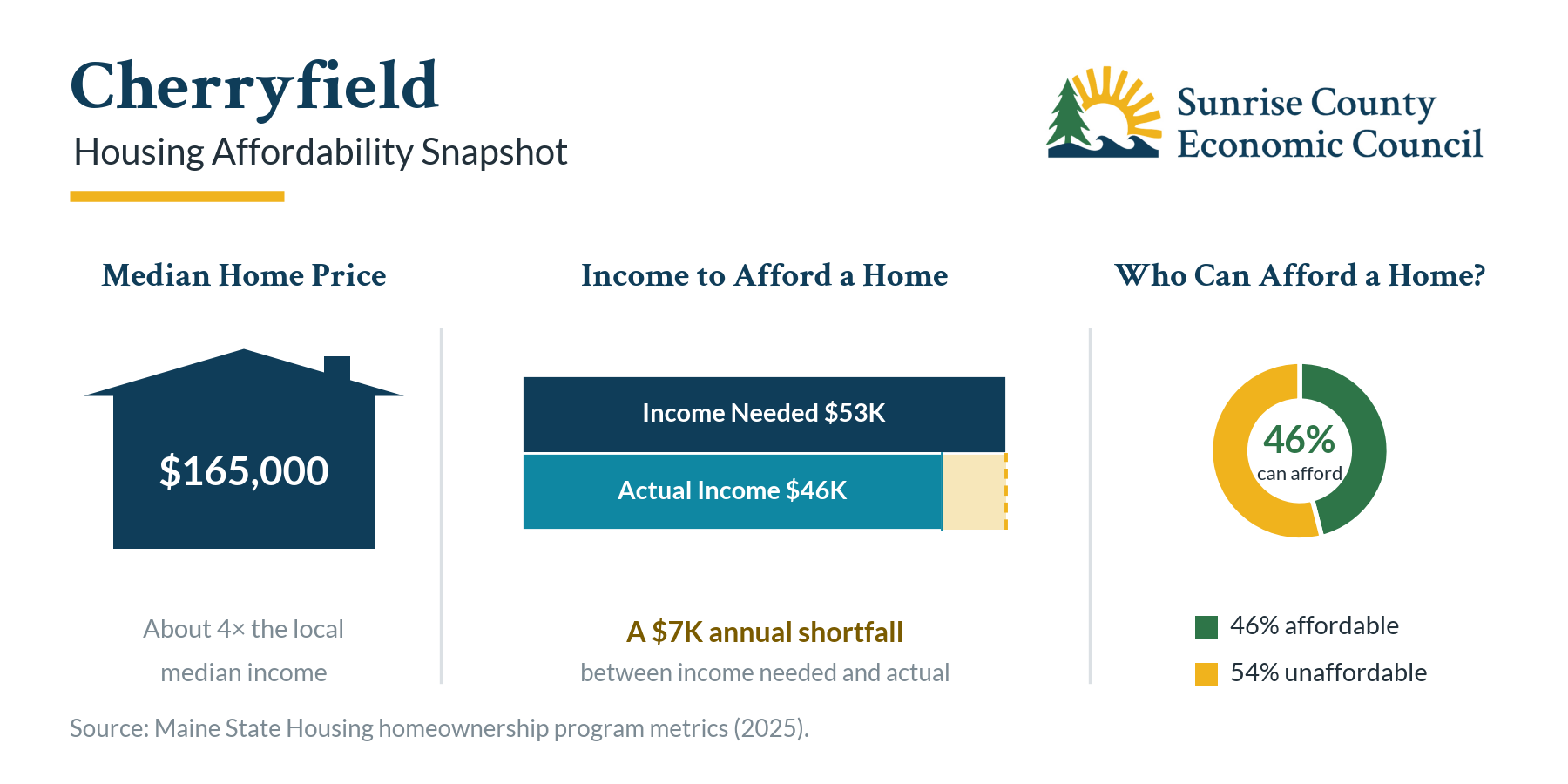
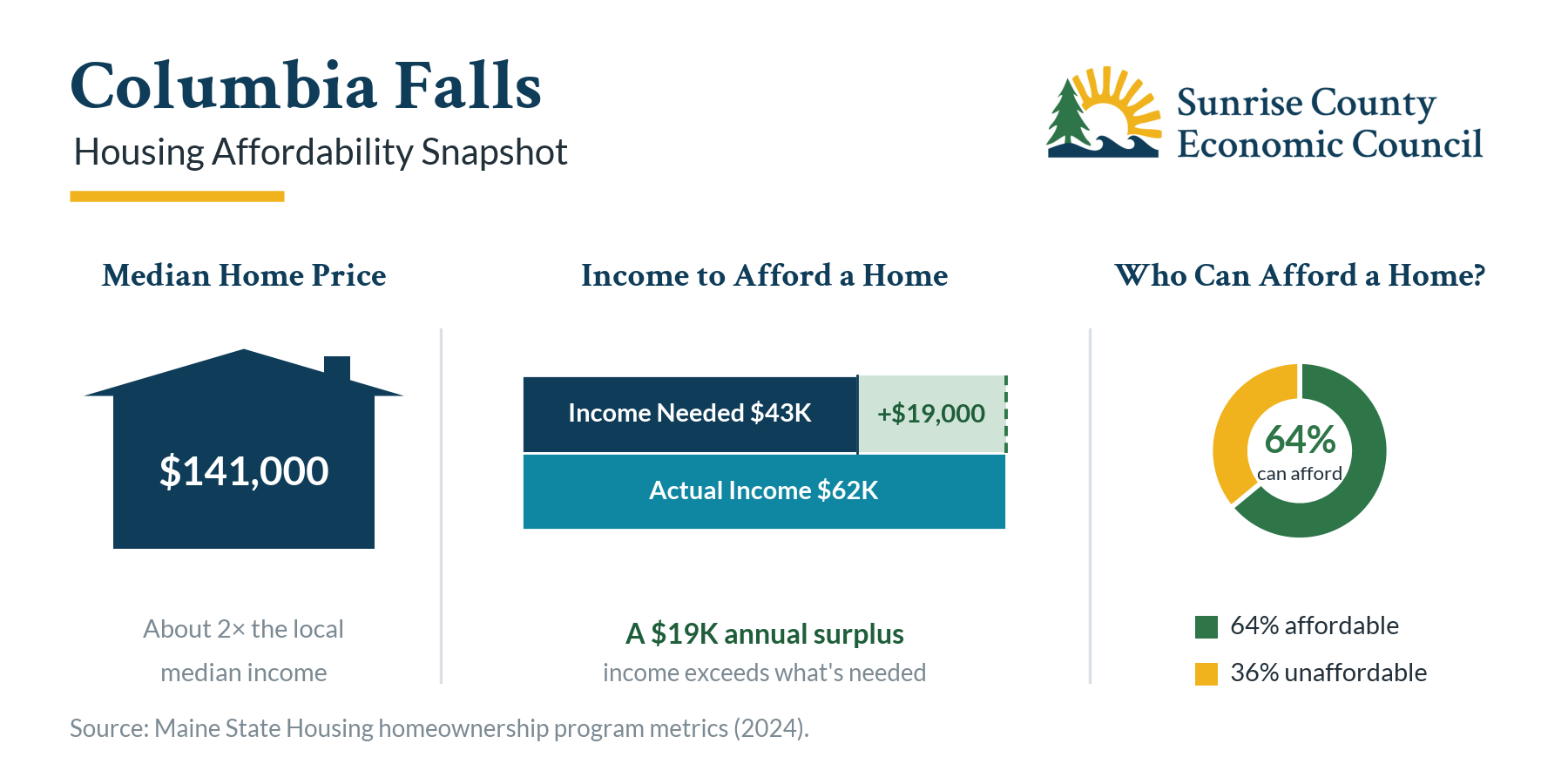
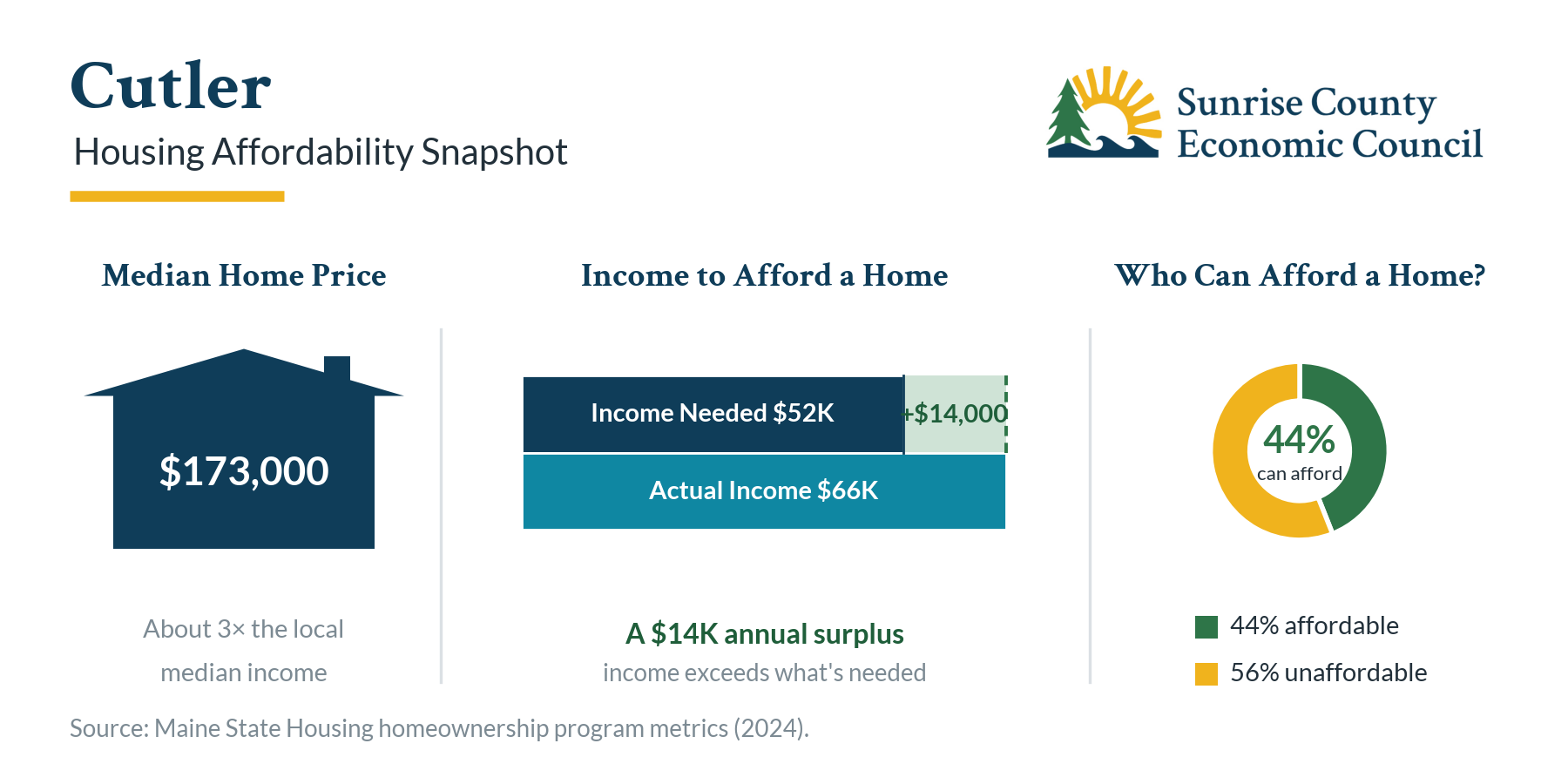
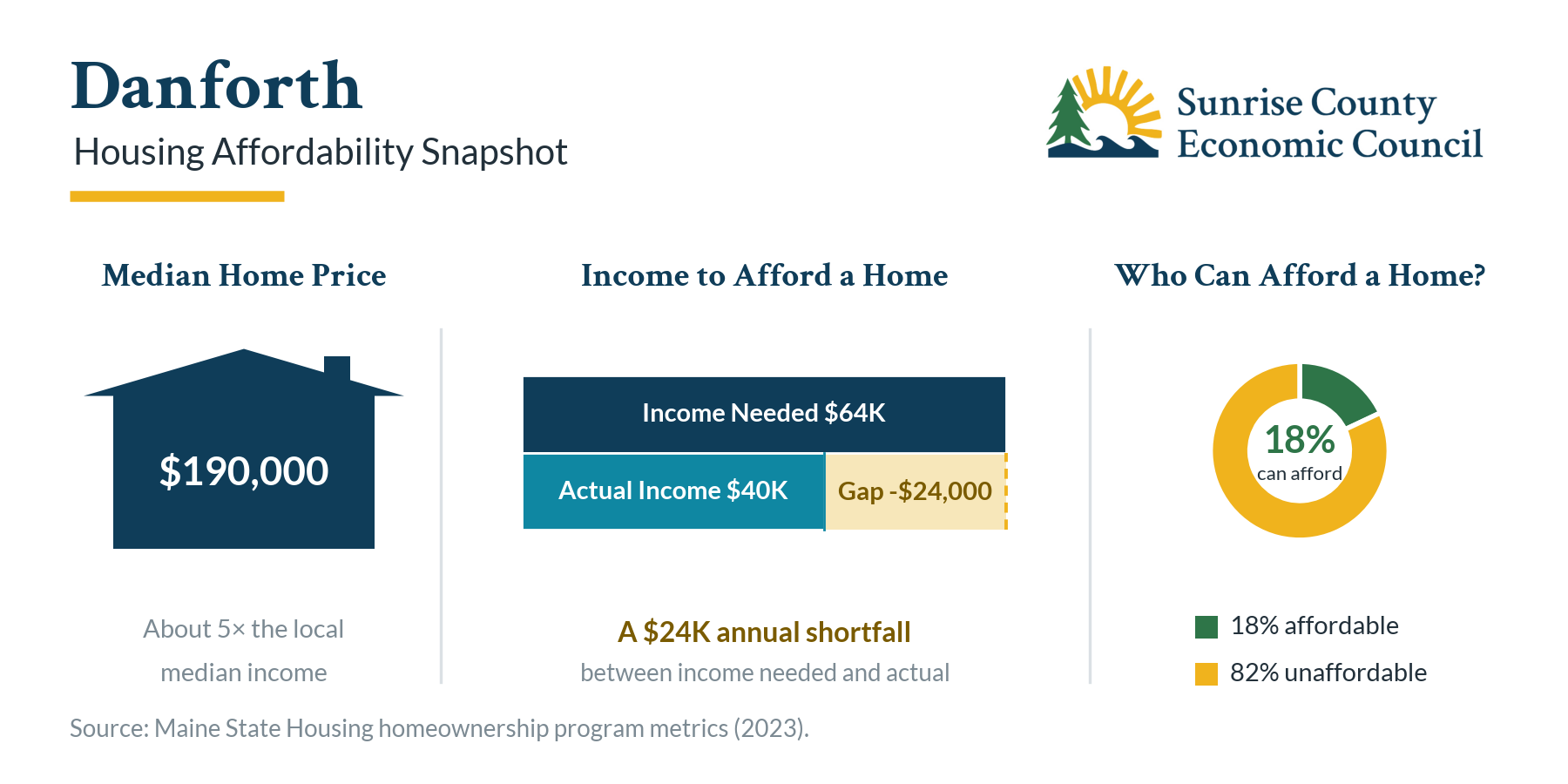
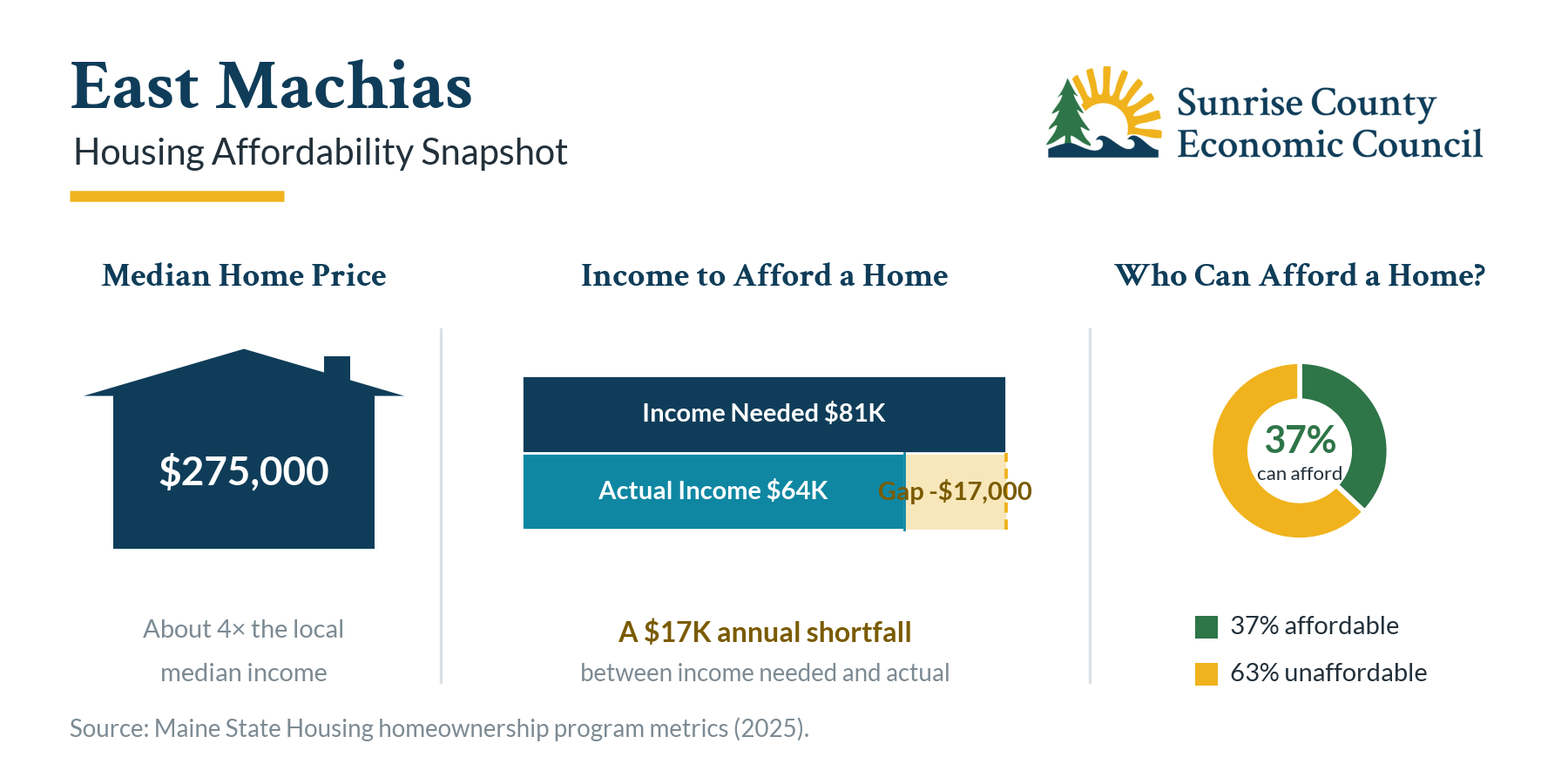
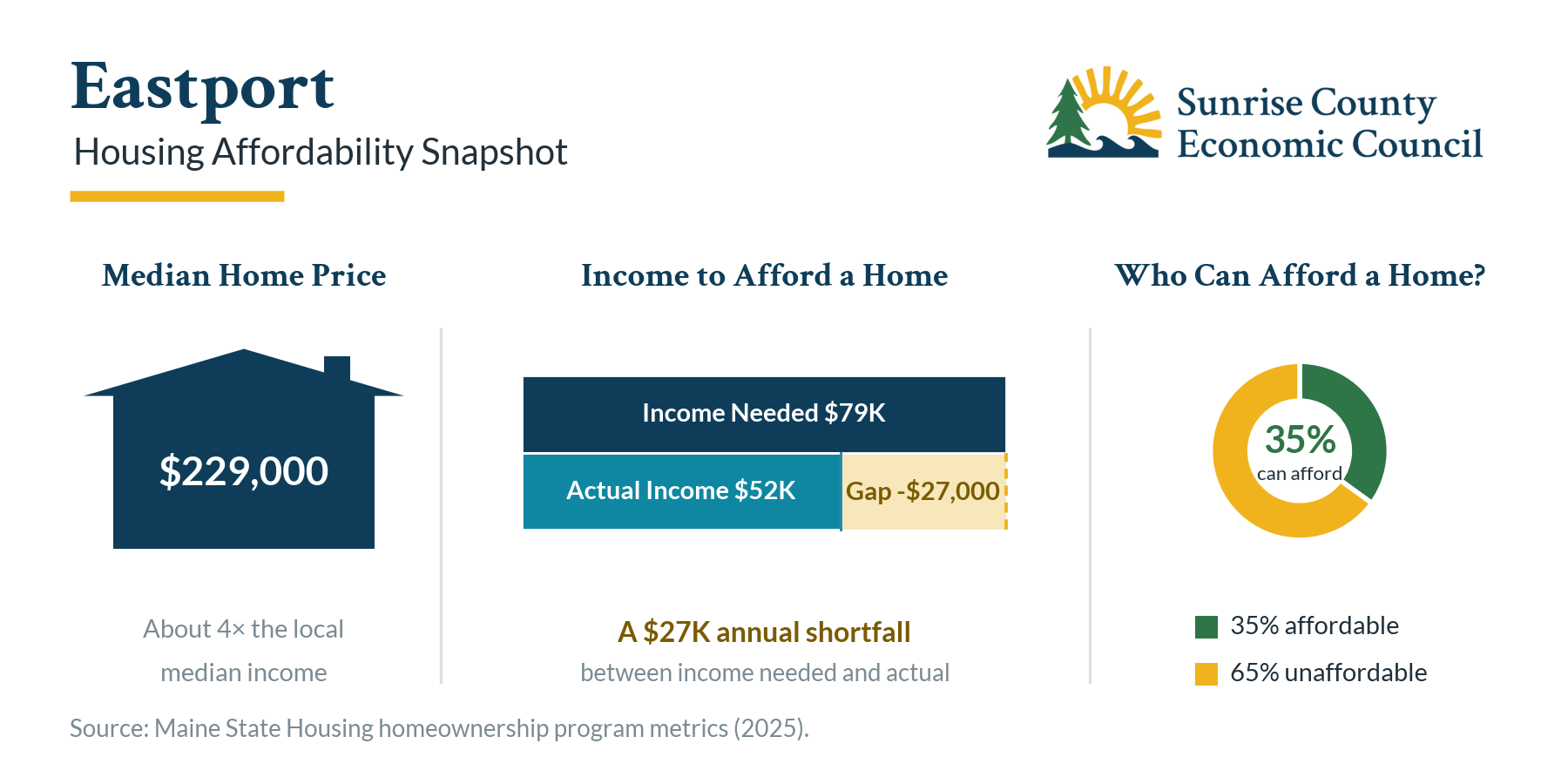
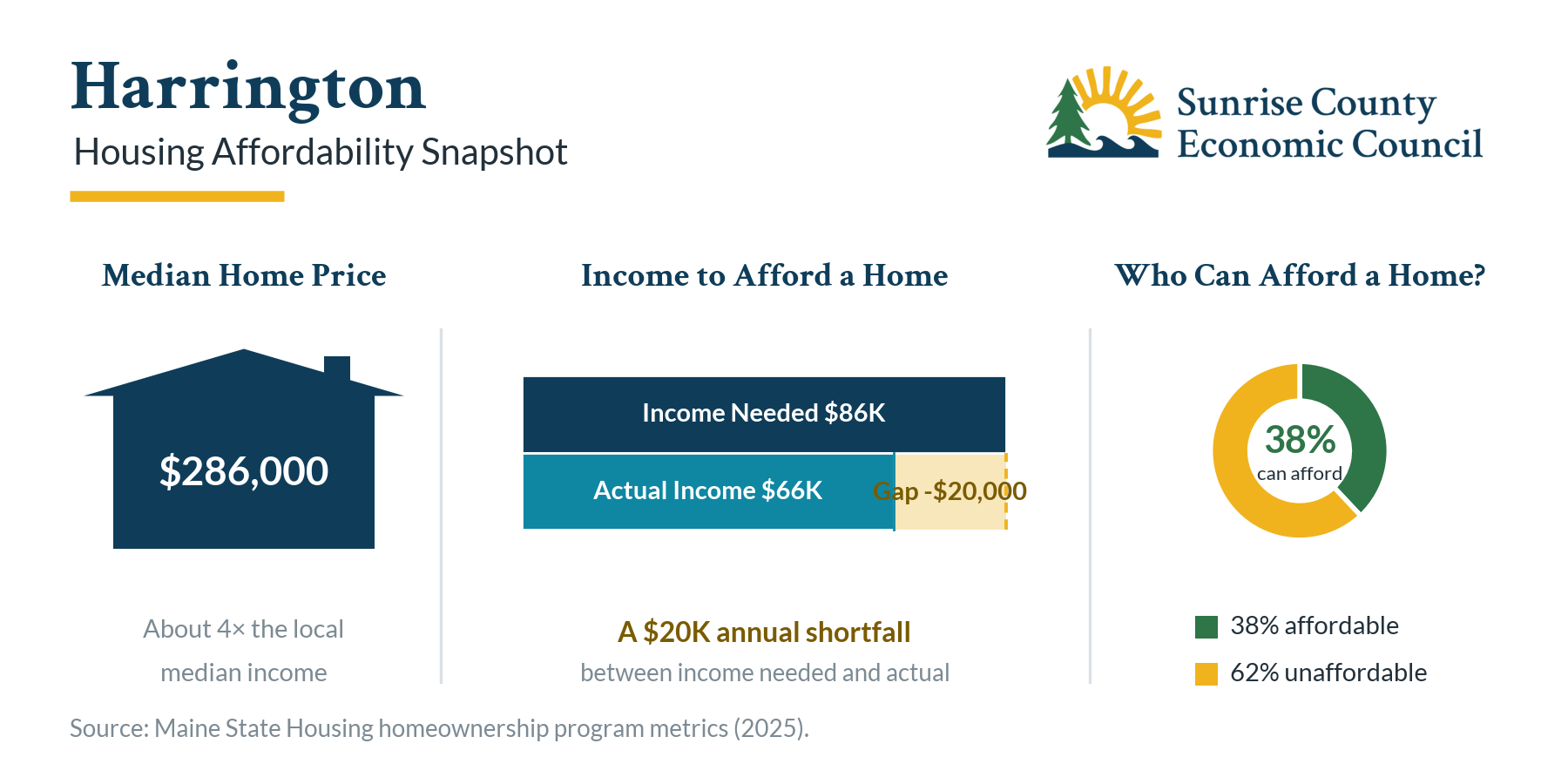
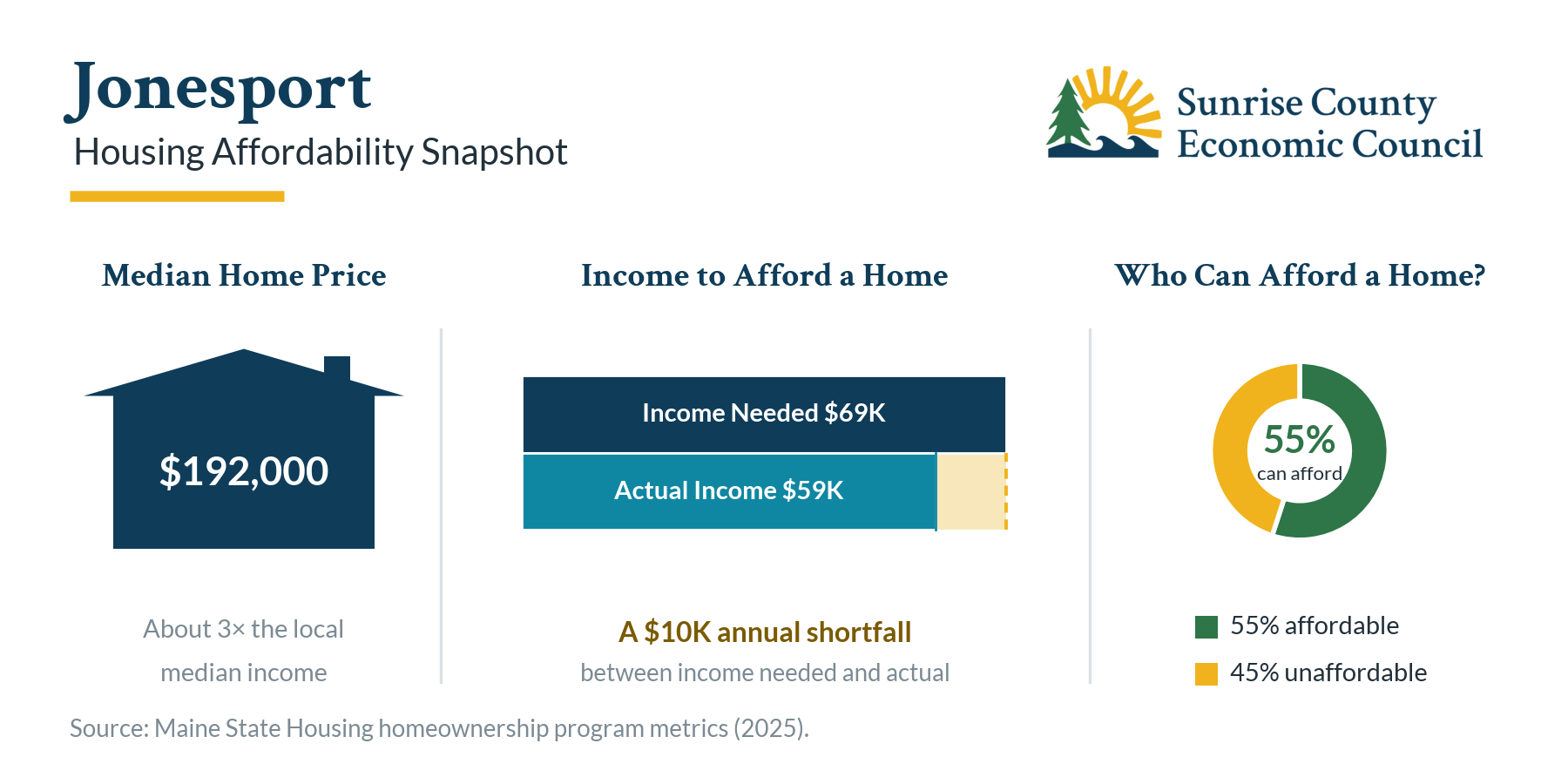
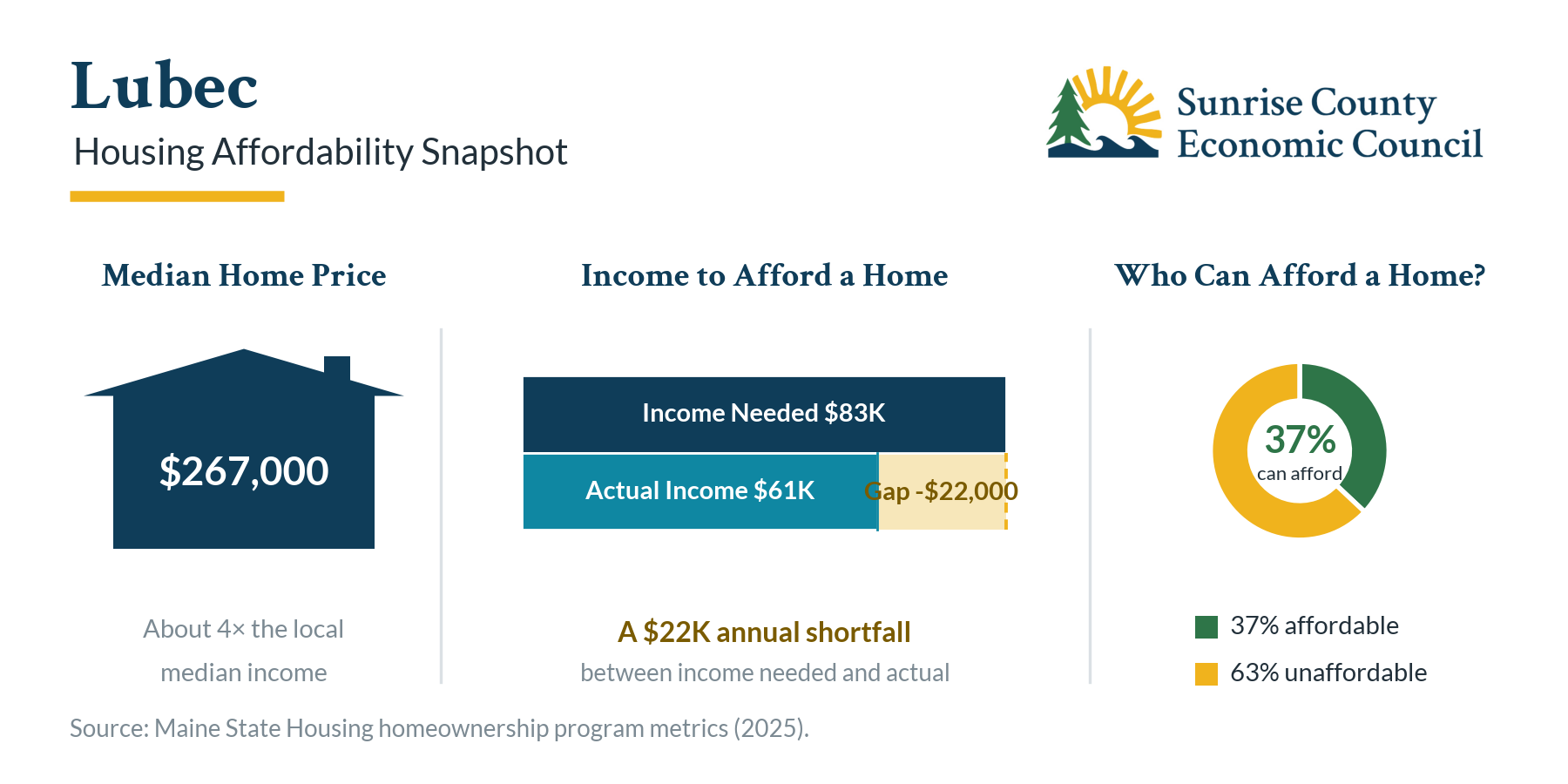
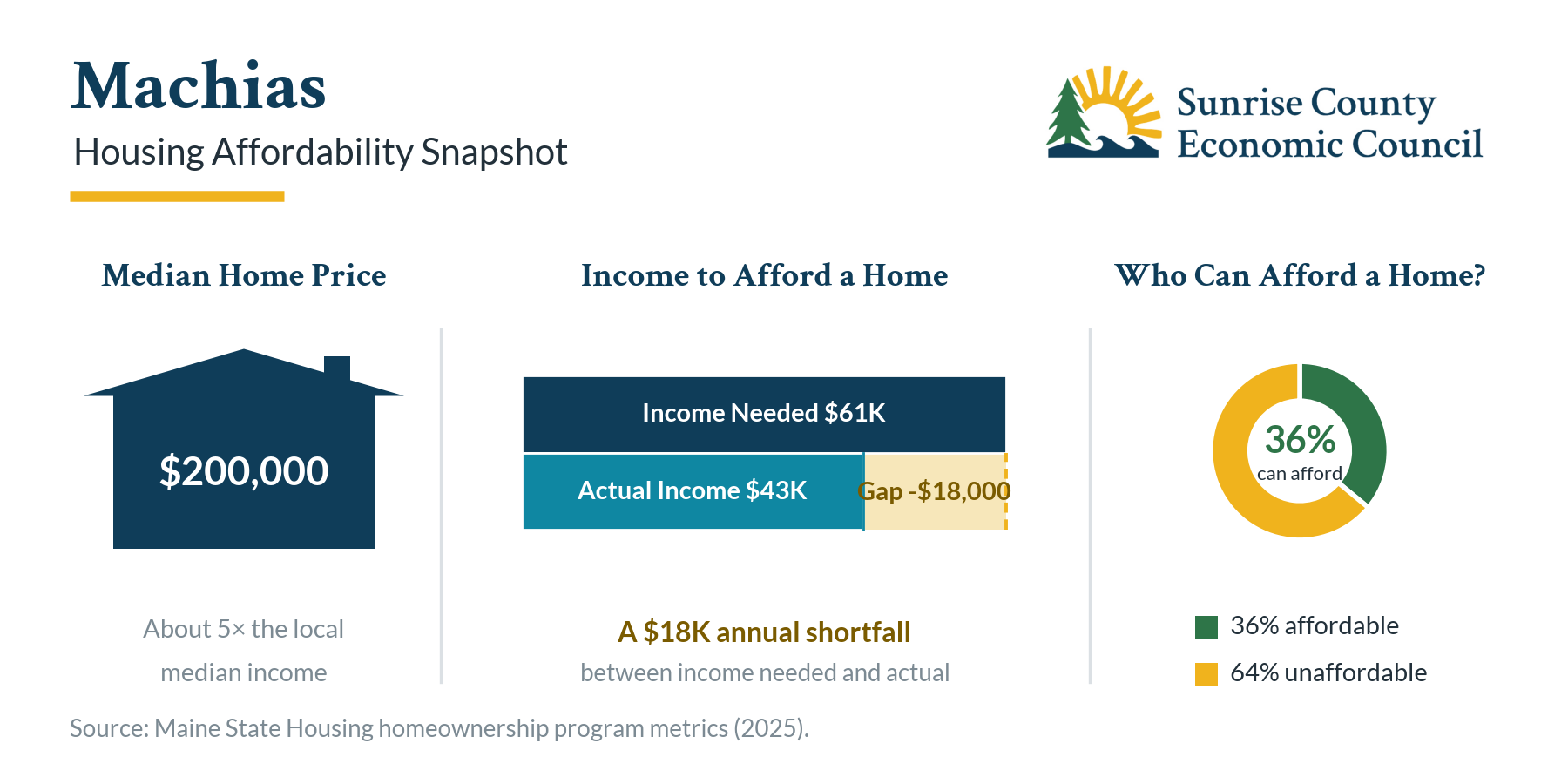
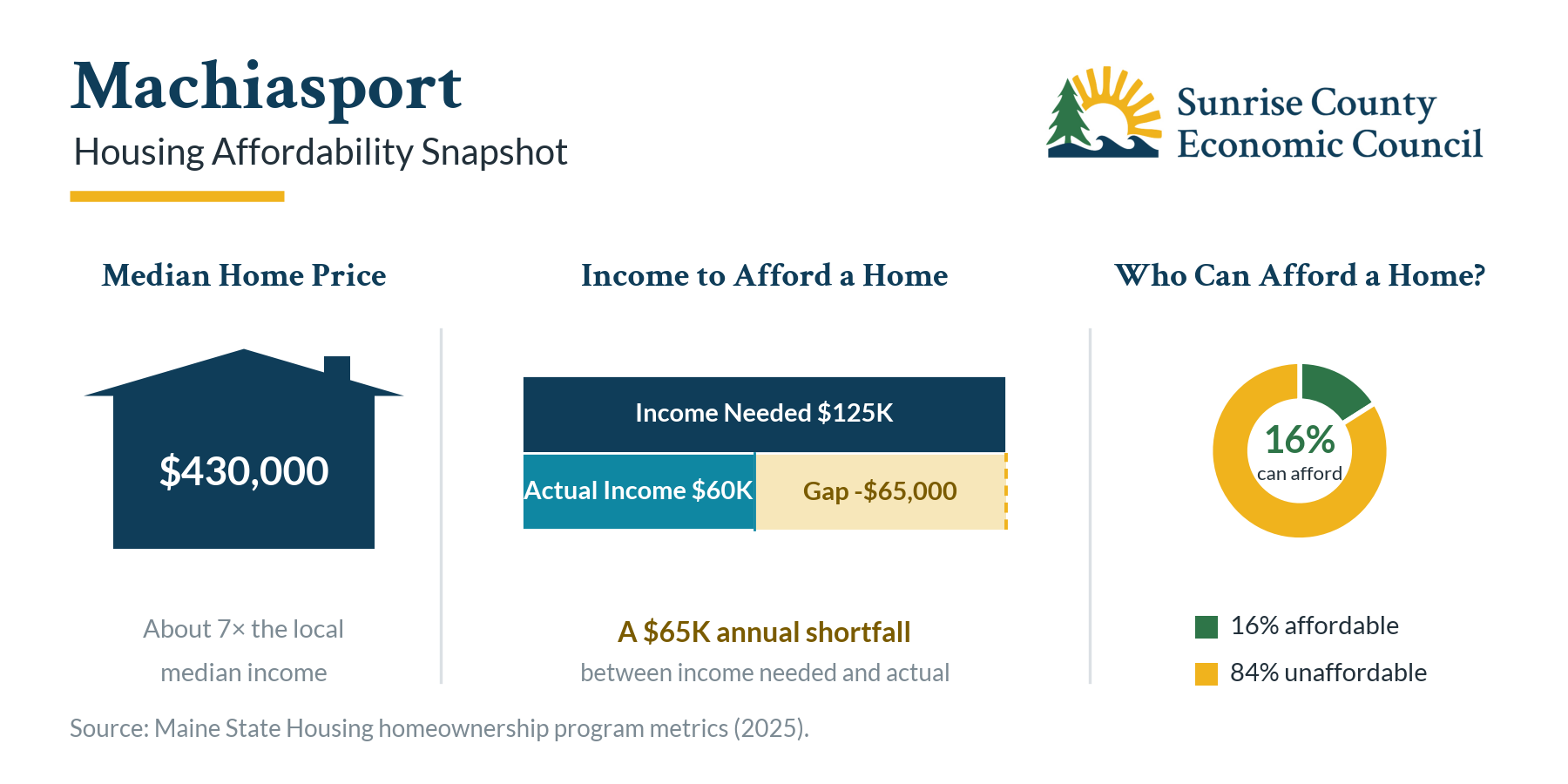
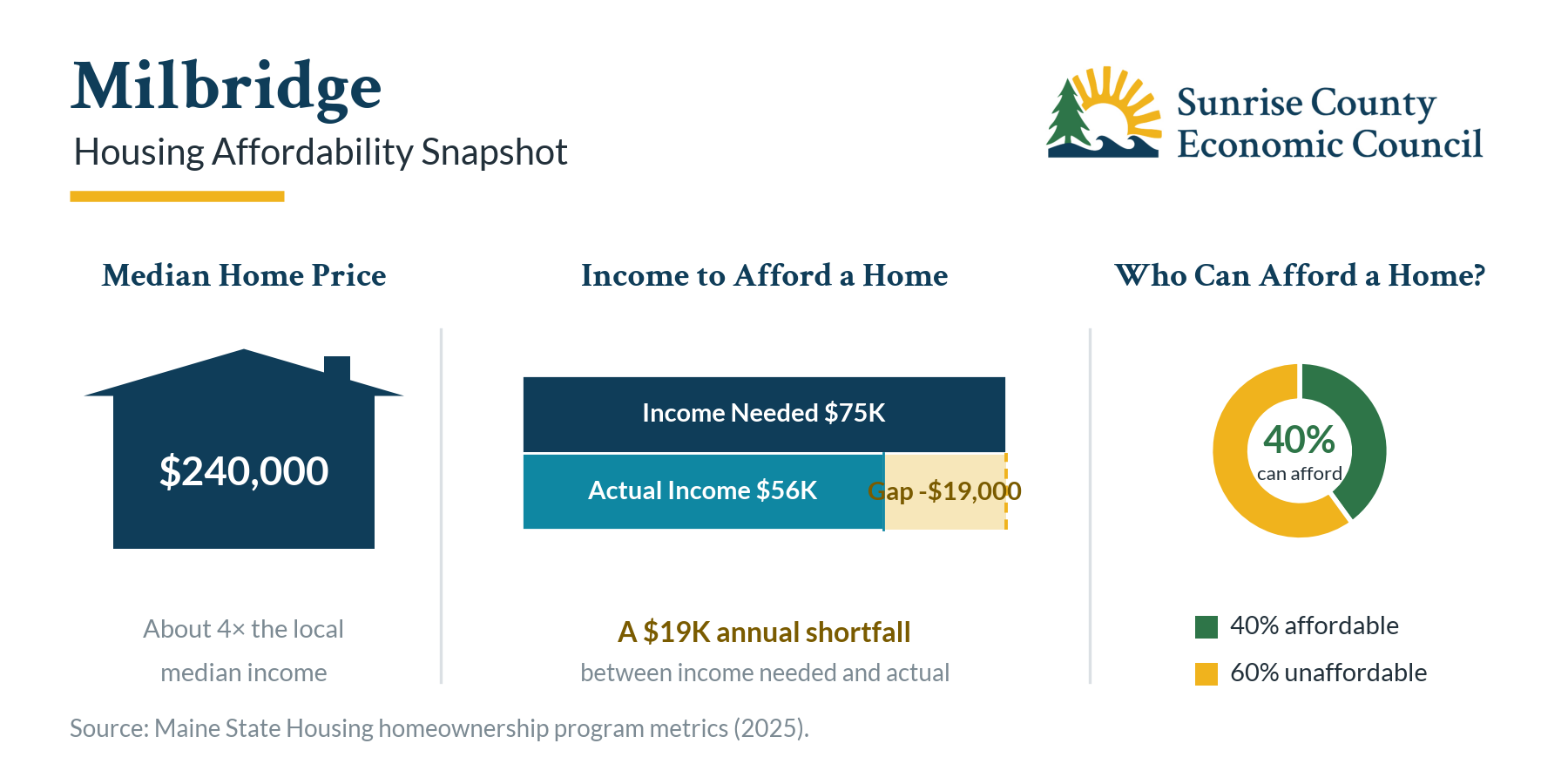
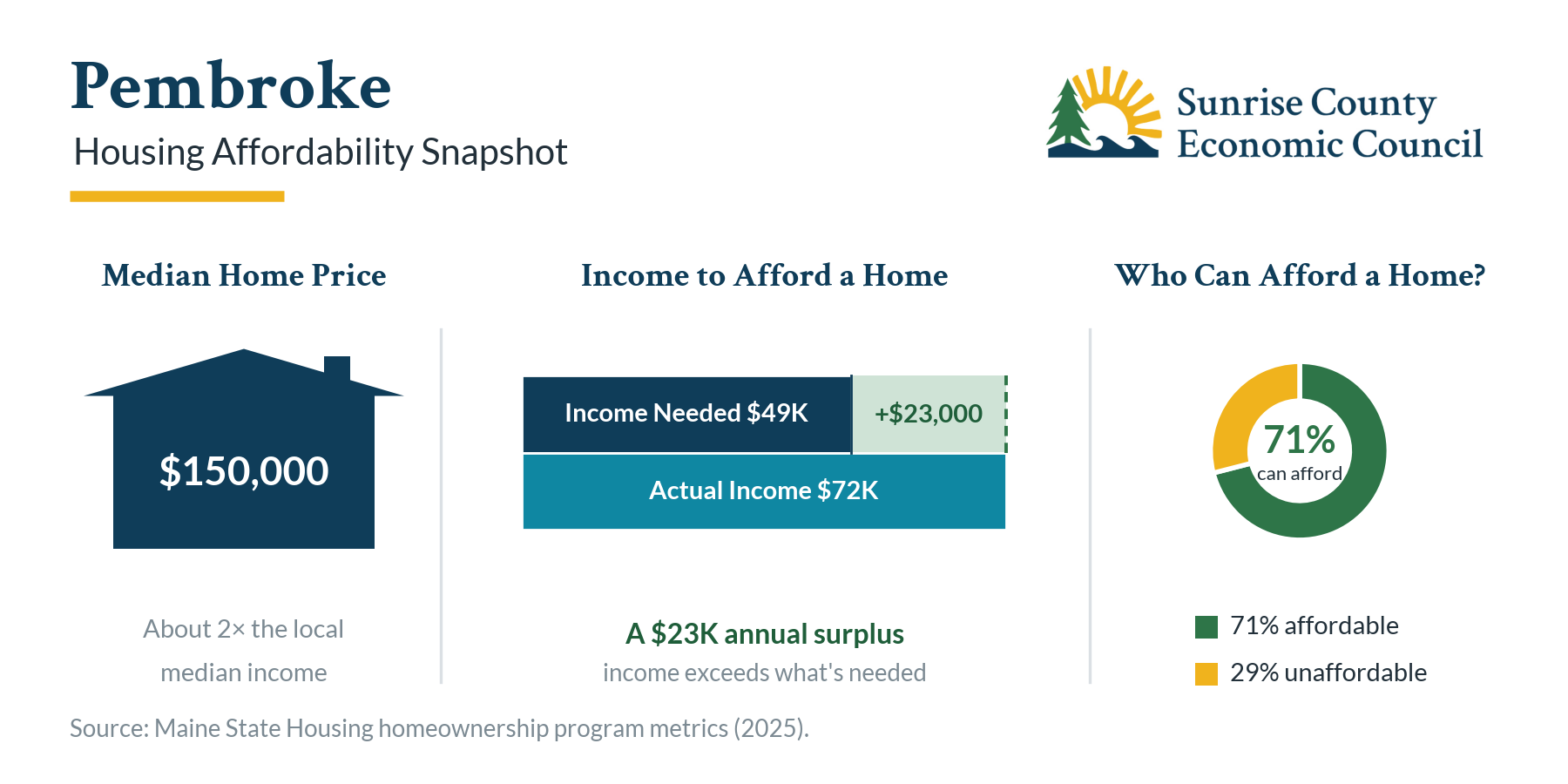
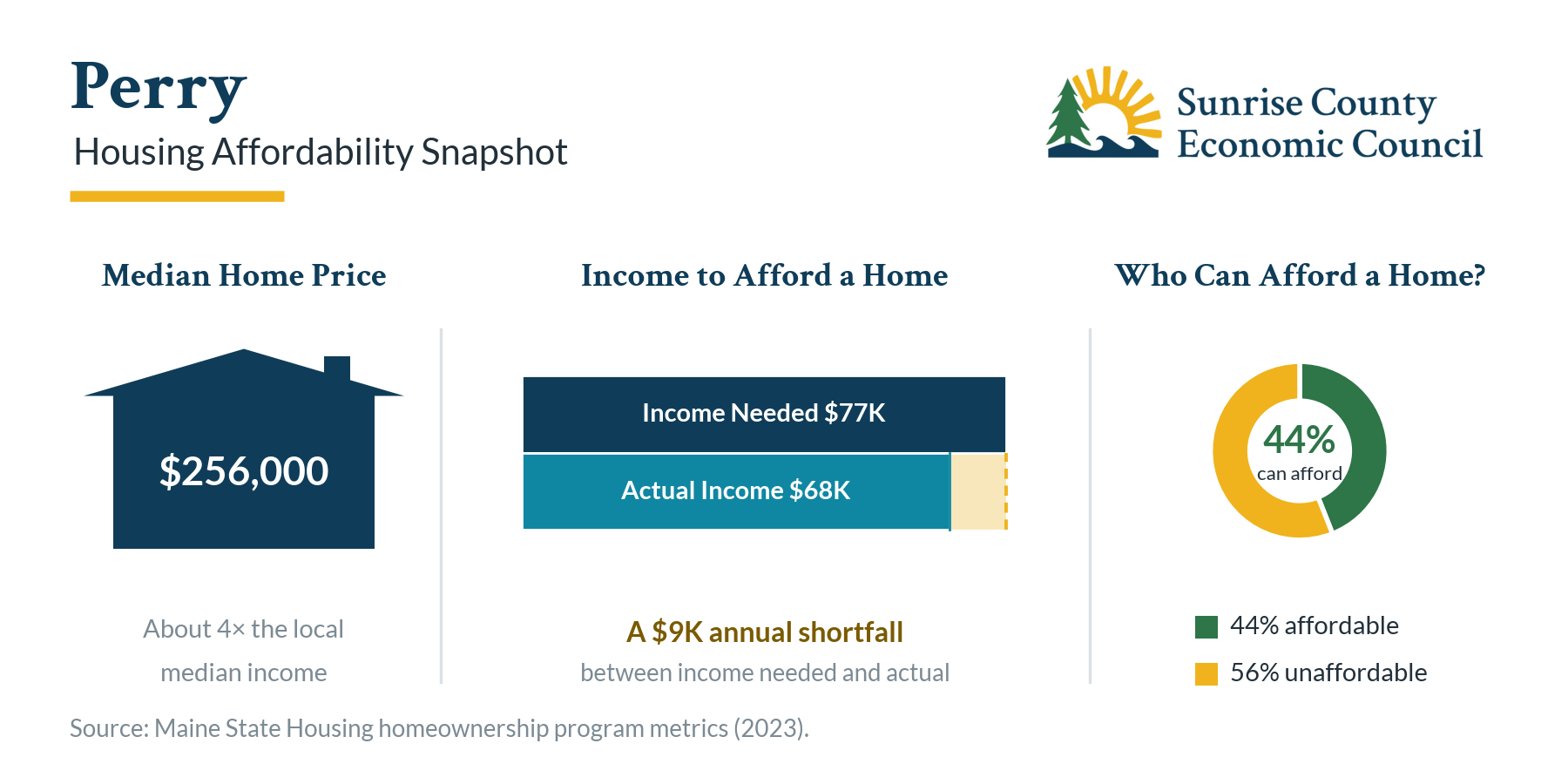
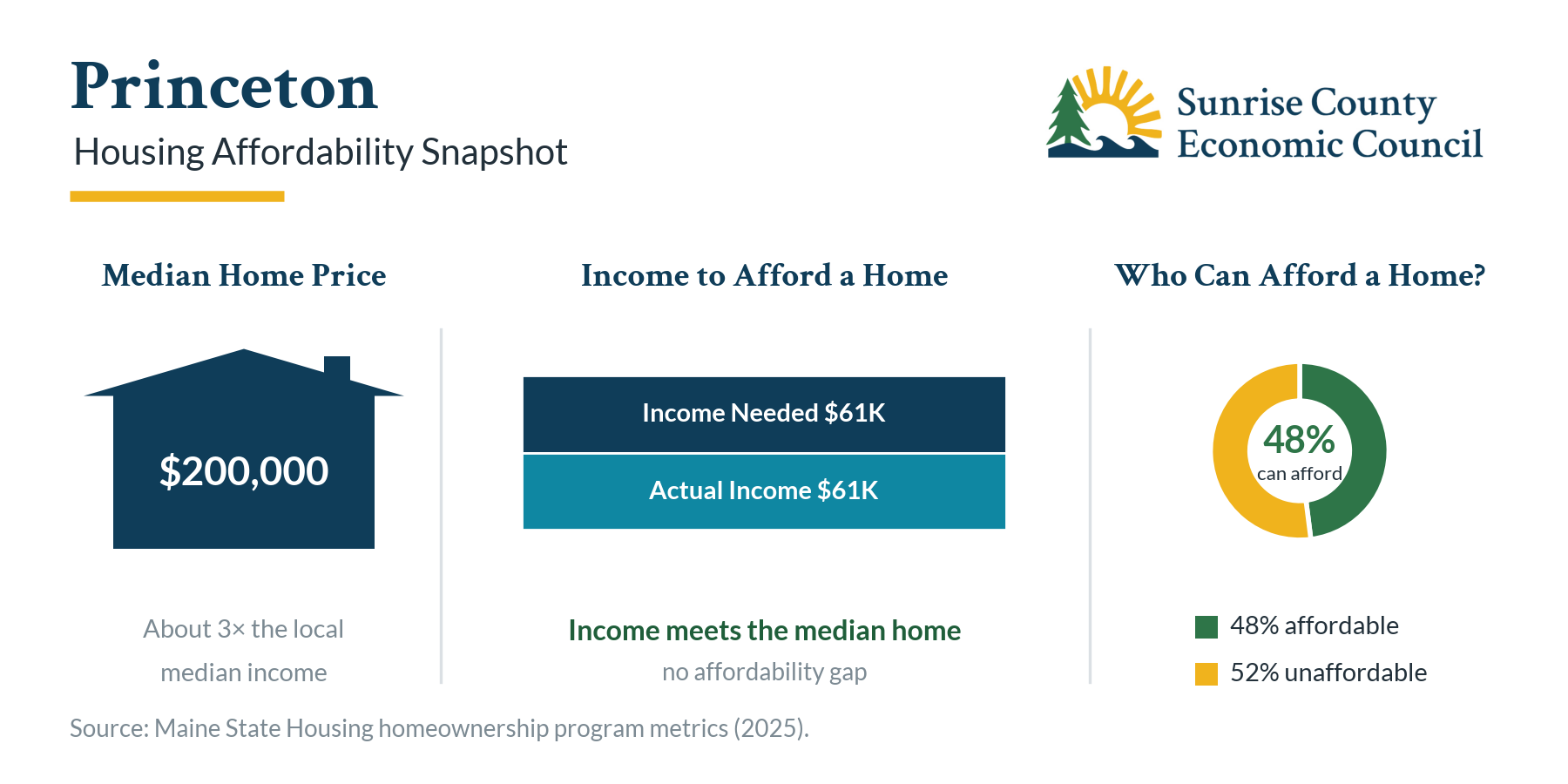
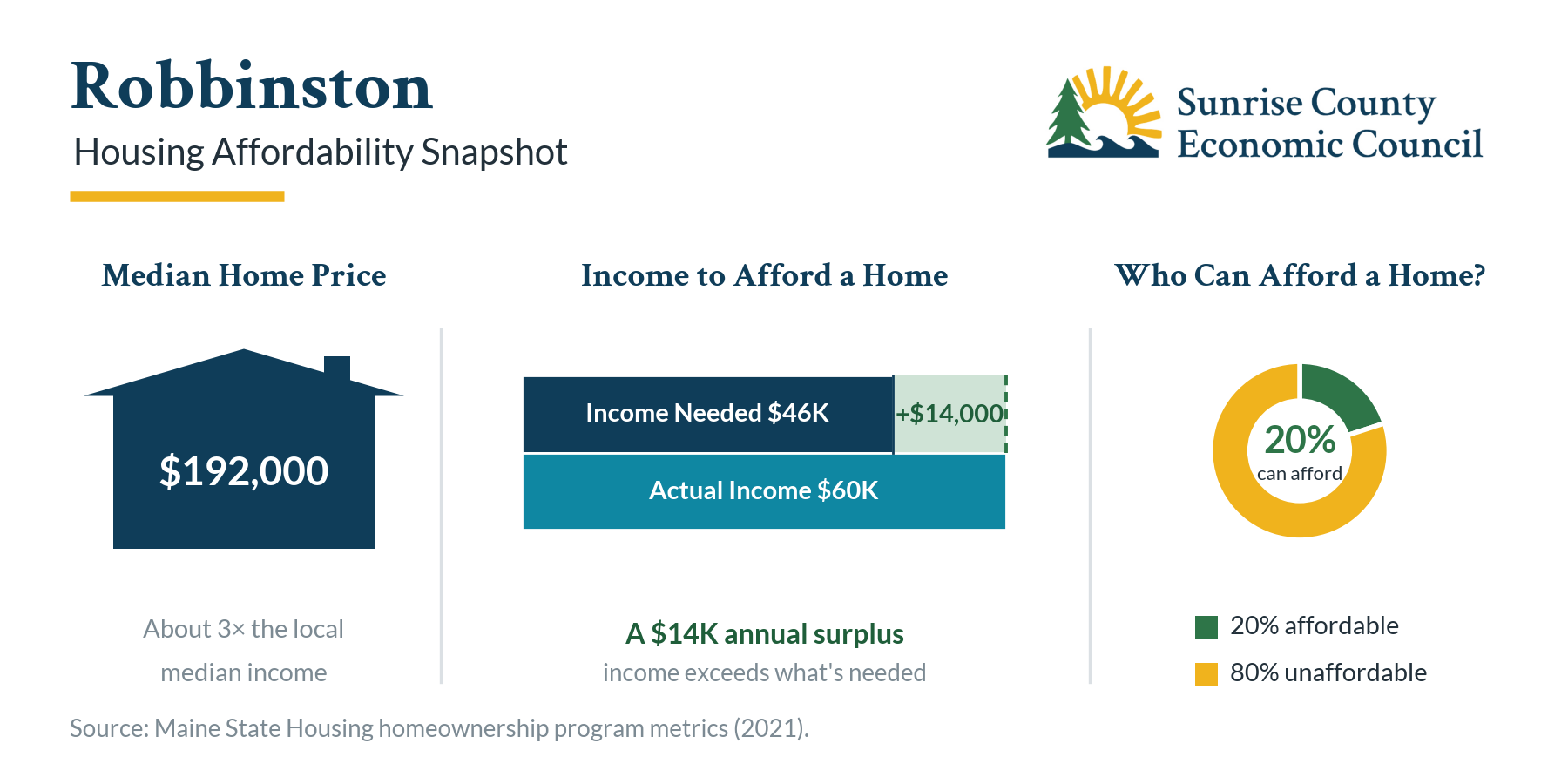
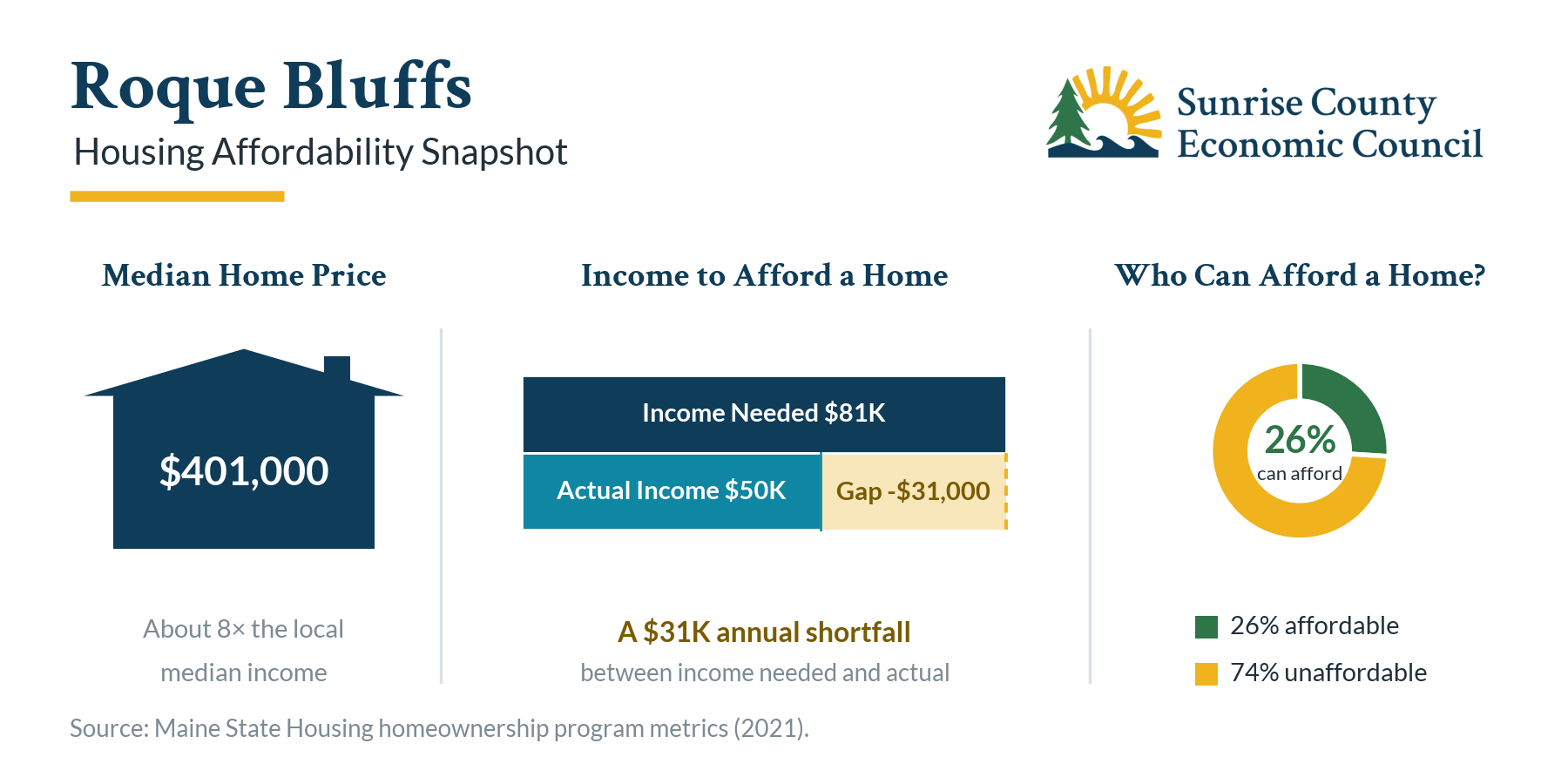
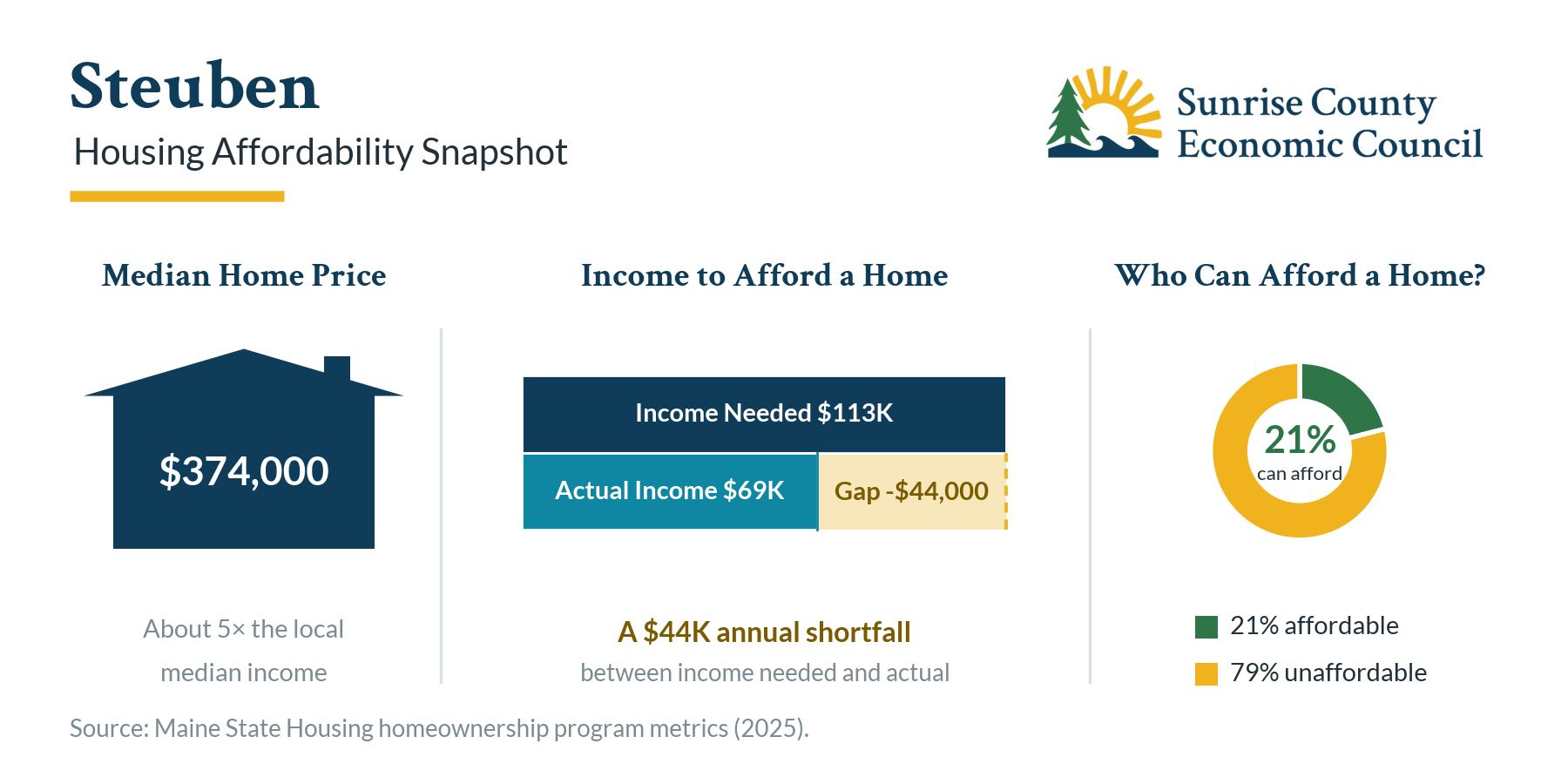
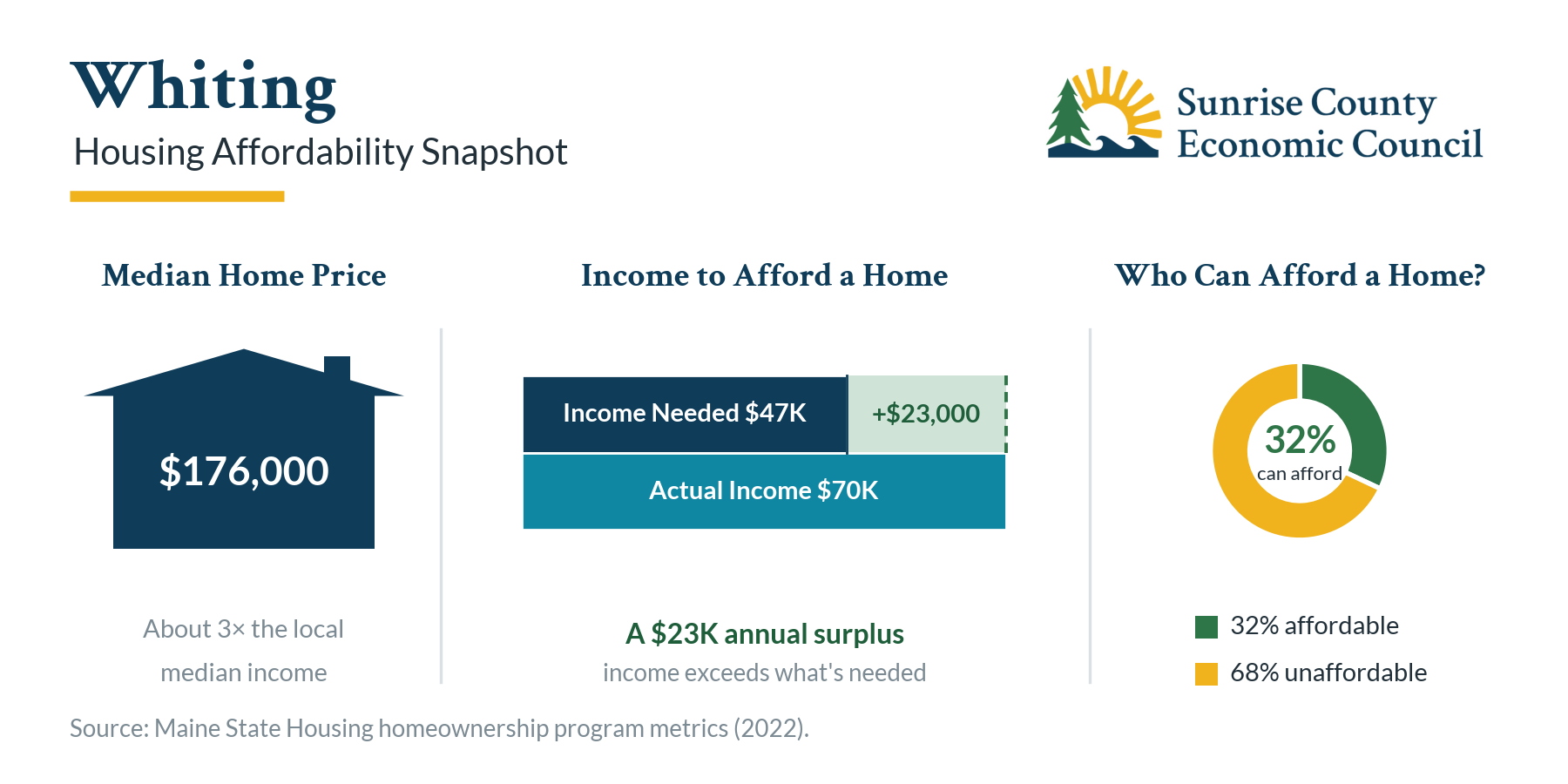
Housing Affordability Snapshots illustrate median home prices, income needed to afford a home and insight into the proportion of people who can afford a home for communities across Washington County. Click through the snapshots or download the full set below.
Housing Dashboard
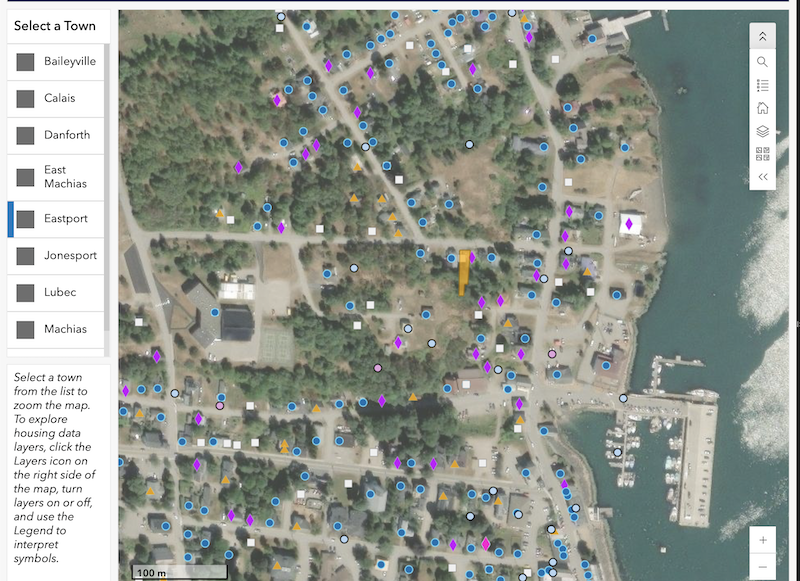
The Housing Dashboard provides data on short-term rentals, latent housing parcels, dilapidated properties, and community infrastructure across nine focus communities to help residents, municipal officials, planners, and developers understand challenges and identify opportunity.
FAQs
Why are homes still unaffordable when the median income is above the level needed to purchase a home?
While in some communities the median household income is slightly above the level needed to purchase a median-priced home, that statistic does not reflect the reality facing many local families. Median income represents the midpoint, meaning nearly half of all households earn less. Many prospective homebuyers also face additional barriers, including limited savings for a down payment, high debt ratios, or credit challenges that make qualifying for a mortgage difficult.
Even for households with sufficient income, rising costs for utilities, homeowners’ insurance, property taxes, and transportation reduce the amount they can safely devote to housing. At the same time, the supply of homes priced at or below the median remains limited. As a result, an estimated 59% of Washington County households cannot afford to purchase a home, despite a market that may appear affordable based on median figures alone.
Mortgage interest rates have further eroded affordability. According to MaineHousing, “Maine’s mortgage interest rates have increased 112% from 2021 to 2025,” significantly reducing purchasing power and putting homeownership out of reach for many households. Learn more
Why isn't my town listed?
If you’re town is not included in the above snapshots, it is because the data was not available through MaineHousing.
The Washington County Housing Dashboard was developed by Sunrise County Economic Council as part of a regional effort to connect housing need with actionable sites and local planning tools.
Working Towards Stable, Attainable Housing
Stable, attainable housing is foundational to the economic health of Washington County. When residents can find homes they can afford in the communities where they work, raise families, and build businesses, the entire regional economy benefits. When they cannot, employers struggle to hire, young people leave, older residents face hard choices, and community vitality erodes.
SCEC’s Role
Sunrise County Economic Council works alongside developers, lenders, municipal leaders, social service providers, and housing organizations to advance practical solutions to the county’s housing challenges.
SCEC convenes the partners, practitioners, and decision-makers working on housing across Washington County. We also connect communities to the tools, financing, and expertise they need to move projects forward.

QUESTIONS?
For more information, please contact Elaine Abbott, Program Manager for Broadband and Workforce Housing
207-255-0983
Housing Pressures
Washington County is facing a housing crisis — rising costs, shrinking vacancy, and aging stock are making it harder for families to find a place to call home. Learn more about the housing pressures that are contributing to this crisis:
Workforce Housing Shortages
Small labor markets, high construction costs, and limited infrastructure make workforce housing development uniquely difficult in rural Maine. Even well-designed projects can stall before breaking ground.
Hidden Homelessness
Many neighbors are not sleeping on the streets but are cycling through spare rooms, staying with friends, or moving between temporary living situations. These unstable arrangements mask the true scale of housing insecurity and make it harder for families, youth, and workers to access support.
Limited Housing Turnover
Older residents often remain in homes that no longer fit their needs, constrained by fixed incomes, rising property taxes, limited downsizing options, accessibility challenges, and the emotional weight of leaving longtime homes. This dynamic reduces turnover and restricts opportunities for younger households.
Short-term rental pressures
In communities where tourism is essential but housing supply is limited, short-term rental activity shapes housing availability, neighborhood stability, and economic vitality in ways that require careful balance.
Gaps in Supportive Housing
Residents facing complex challenges need affordable homes paired with wraparound services such as case management, behavioral health support, and transportation assistance.
Strategies
Across Maine, communities are testing approaches that hold promise for Washington County:
- Innovative loan products, predevelopment support, and collaborative underwriting that help close capital stack gaps
- Municipal approaches that reduce permitting friction and improve project feasibility
- Housing trusts, cross-sector partnerships, and locally tailored incentives that unlock new units and preserve affordability
- Thoughtful village-center housing that strengthens local businesses, expands access to essential services, and preserves community character
- Supportive housing models that meet people where they are, creating pathways out of crisis while reinforcing the social and economic health of rural communities
- Regulatory frameworks that balance tourism, landlord interests, and the protection of long-term housing stock
WATCH: HOUSING NEEDS AND STRATEGIES
How Washington County’s Housing Needs Are Evolving & Why It Matters Now
Featuring Charles Rudelitch,
Executive Director, Sunrise County Economic Council
Tools That Move Housing: Financing Strategies and Barrier Removal
Featuring panelists: Emily Wassmer, TRC
Steven McDermott, Genesis Community Loan Fund
Caleb Lincoln, Lake City Holdings
DOWNLOAD: HOUSING POLICY