
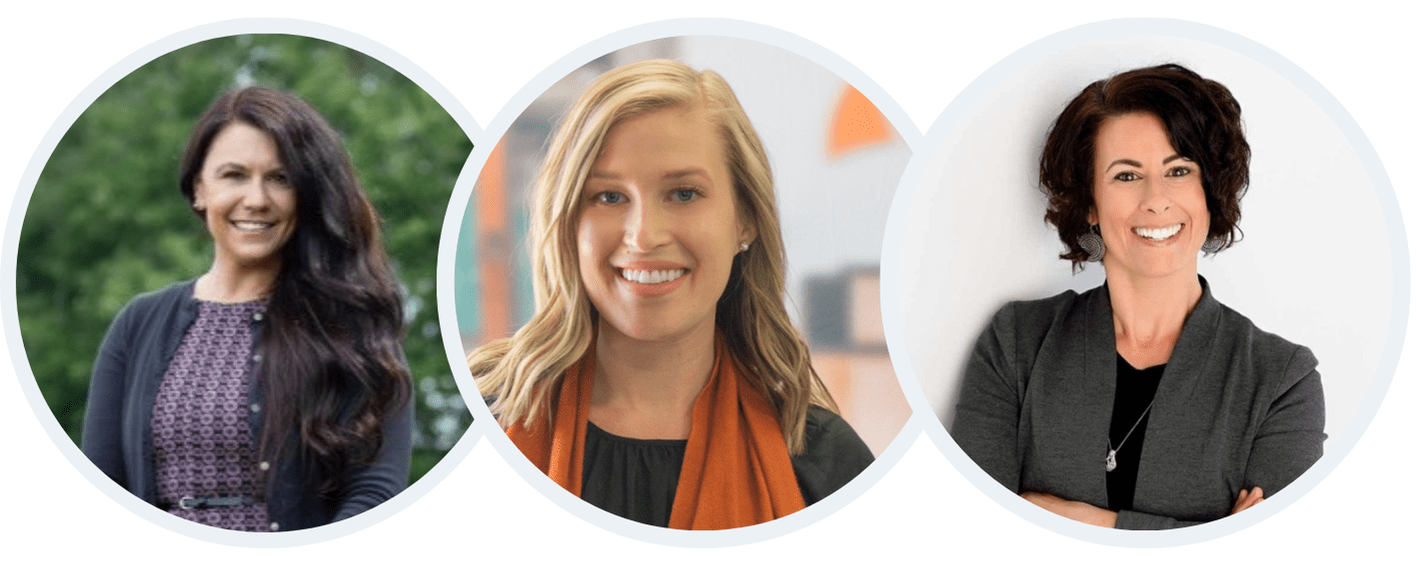
Featuring Panelists: April Norton, VP of Human Resources at Wyman’s; Kali Boulier, AVP of Talent Management at Machias Savings Bank; and Abby Frutchey, Substance Use Response Coordinator at The Community Caring Collaborative.
In Washington County, workplace culture has emerged as a critical aspect of attracting and retaining talent.
At the 2025 SCEC Economic Summit, local business and nonprofit leaders, including representatives from Wyman’s, Machias Savings Bank, and The Community Caring Collaborative, shared their strategies for creating workplaces where people want to stay with an employer because they feel valued, empowered, and connected to something meaningful.
The conversation revealed a common thread: strong workplace culture isn’t built by accident. It requires intentional leadership, adaptability, and a genuine commitment to treating employees as partners in organizational success.
Empowering Employees
One prevalent theme from the discussion was the power of employee empowerment. VP of Human Resources, April Norton, shared that at Wyman’s, employees are recognized as the “subject matter experts” in their jobs and are actively encouraged to identify better, more efficient ways of doing their work. Leadership truly listens to and follows through on suggestions and feedback from employees.
When leaders are empowered to strip away bureaucratic “red tape” and make changes quickly, it creates an environment where innovation can flourish, and employees at every level feel they can make a difference.
Machias Savings Bank has taken employee recognition a step further with its “Spotlight” system, which allows co-workers to publicly recognize one another for embodying the company’s culture standards. Kali Boulier, AVP of Talent Management at Machias Savings Bank, described how employees receive a quarterly budget to reward colleagues, and these recognitions are visible company-wide, even reaching the CEO’s desk. Monthly and quarterly “president award winners” receive larger incentive bonuses, creating a culture where peer recognition is both meaningful and rewarded.
“Culture Fit” Matters More than Skills
When it comes to building the right team, the panel agreed that culture fit often matters more than technical skills. In other words, employees can be trained on new skills, but values and cultural standards are harder to change.
Machias Savings Bank’s approach to assessing culture fit includes asking candidates unexpected questions, such as “How weird are you?” to gauge team dynamics. In one case, they hired a candidate with no banking experience over a more experienced applicant because the first candidate was the better culture match.
Supporting Families and Whole Lives
Retention strategies in Washington County go beyond traditional benefits. For example, Wyman’s offers full-time employees (who have an average tenure of nearly ten years) reimbursement for inland fisheries and wildlife licenses and encourages hunting, fishing, and hiking on the company’s 60,000 acres. Seasonal workers receive benefits such as onsite food deliveries, free transportation for children to The Blueberry School at Mano en Mano in Milbridge, religious services, and medical and dental visits on-site. In addition, the company provides financial incentives for seasonal workers that return year after year.
Abby Frutchey, Substance Use Response Coordinator at The Community Caring Collaborative (CCC), shared that the organization holds deep values around family, offering flexible schedules that allow staff to meet critical life commitments. This flexibility is good for morale and is a powerful retention strategy in a region where work-life balance can make or break an employment decision.
The CCC is also engaged in conversations about supporting living wages in Washington County. Using the MIT Living Wage Calculator, which estimates that a single person without children needs about $21 per hour to meet basic needs (and $49 per hour for a single parent with two children), the organization carefully considers how wage increases might affect families’ access to benefits like healthcare or supplemental food programs.
Leading Through Challenges
The pandemic tested every organization’s culture and continues to inform policies and decision-making. Leaders emphasized that culture must evolve and respond quickly to changing circumstances. This resilience and adaptability depend on leadership that demonstrates calmness and composure during crises. One participant shared that a leader’s reaction determines how teams will respond. Transparency and open communication are essential when facing major challenges, whether it’s a pandemic or a short blueberry crop.
Wyman’s took employee involvement to heart during the pandemic, asking workers if they felt comfortable with specific safety measures and involving all employees in finding the best path forward. This “servant leadership” approach, where leaders serve their employees just as employees serve them, proved crucial for maintaining trust during uncertain times.
Likewise, the CCC employs a “same team” mentality when navigating difficult situations. By focusing on shared goals, their team is able to accept that those goals may be achieved differently.
Reducing Stigma and Building Safety
Creating a workplace where everyone feels welcome requires attention to the barriers that might prevent people from thriving. CCC’s emphasis on being substance-informed, poverty-informed, culturally competent, and sensitive to trauma and mental health ensures that employees don’t feel stigmatized or distanced from the organization.
Following the pandemic, Wyman’s noticed an increase in mental health challenges, particularly among men, where stigma often runs deep. The company responded quickly by adding support for mental health wellness programs to its existing fitness reimbursement program, by offering support outside of standard insurance coverage with “zero pressure and no information collected.” It was a simple change that sent a powerful message: employee well-being matters.
Making Culture a Business Strategy
Perhaps the most important takeaway from the discussion was this: people and culture should be embedded as a business strategy at the highest level of organizational goals, alongside marketing, innovation, and finance.
Leaders must be fully committed to their stated values. As one participant noted, “100% in is what matters because any misstep is what people will remember.” When leadership alignment is strong, independent goals across departments naturally support one another’s success, creating the kind of organizational cohesion that drives results.
The Path Forward
For Washington County employers competing for talent in a challenging labor market, these strategies offer a roadmap. Strong workplace culture is intentional, lived through leadership and staff at all levels, and requires constant adaptation to evolving needs.
Recognition, empowerment, and family-oriented flexibility are essential tools for retention and engagement in our rural economy. When values are embedded in both policy and daily practice, trust and organizational health follow naturally.
This article is based on a panel discussion that took place on November 14, 2025, as part of SCEC’s Annual Economic Summit. The conversation was moderated by Dodie Emerson, Downeast Community Catalyst at SCEC. Notes compiled by Chelsey Megquier, Bookkeeping and HR Assistant, SCEC.